


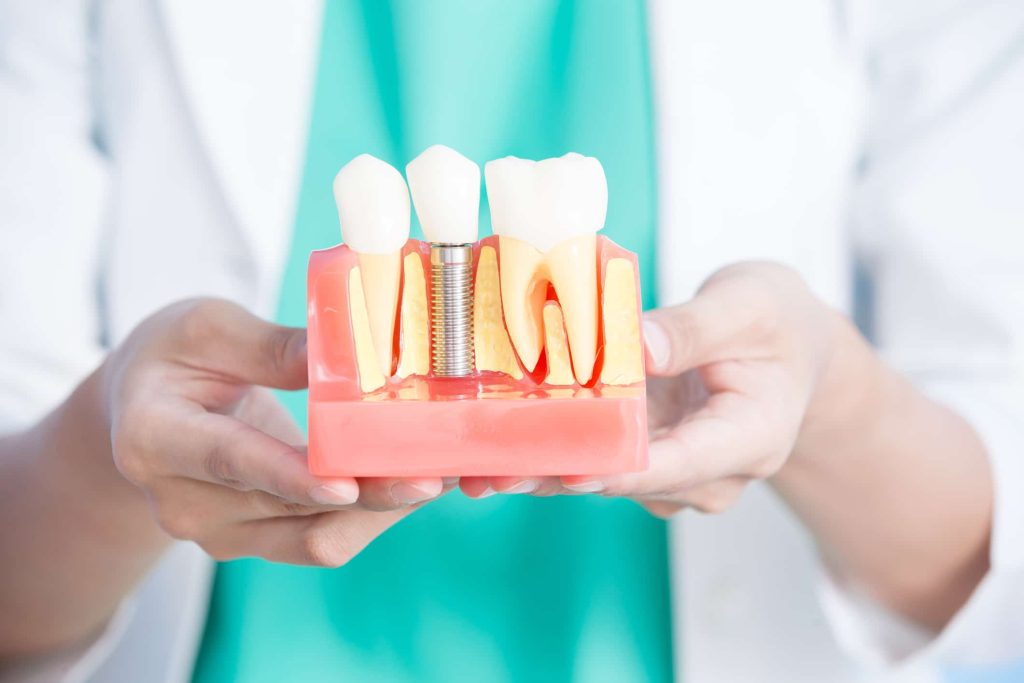
Dental implants have revolutionized modern dentistry, offering a permanent solution for missing teeth. However, individuals who smoke may wonder if they are suitable candidates for this procedure. Smoking can affect the healing process and increase the risk of complications, but with the right care and considerations, smokers can still undergo dental implant procedures safely. This article will explore the impact of smoking on dental implants and provide insights into how smokers can improve their chances of a successful outcome.
The Effect of Smoking on Healing:
One of the primary concerns for smokers undergoing Dental implants in Dubai (زراعة الأسنان في دبي) is the delayed healing process. Smoking reduces blood flow to the gums, which can hinder the body’s ability to heal properly after surgery. This can make it more difficult for the implants to integrate with the jawbone, a process known as osseointegration. Smokers are also more prone to infections due to decreased immune function, which could potentially lead to implant failure. Therefore, the healing period may take longer for smokers, and there is a higher likelihood of complications.
Increased Risk of Gum Disease:
Gum disease, or periodontal disease, is a significant risk for smokers when considering dental implants. Smoking weakens the immune system and reduces the body’s ability to fight infections. This makes smokers more susceptible to gum infections and inflammation, which can disrupt the stability of dental implants. Healthy gums are crucial for implant success, as they provide the foundation for the implants to attach properly to the bone. Smokers need to take extra care of their oral hygiene to minimize this risk.
Implant Failure and Complications:
Smoking has been linked to a higher rate of implant failure. Studies suggest that smokers are more likely to experience implant failure compared to non-smokers, primarily due to the effects of smoking on bone health and healing. Nicotine and other chemicals in cigarettes can interfere with the bone growth necessary for successful osseointegration, leading to implants that do not properly fuse with the jawbone. Additionally, smokers have a higher chance of developing peri-implantitis, an infection around the implant that can cause bone loss and implant failure.
Managing Risks for Smokers:
While smoking poses risks to dental implant success, there are steps that smokers can take to manage these risks. The most important step is quitting smoking, or at least reducing smoking, before and after the procedure. The longer a person stops smoking before the implant procedure, the better their chances of success. If quitting entirely is not an option, reducing smoking, especially during the healing period, can significantly improve the outcomes. Smokers should also maintain excellent oral hygiene and attend regular dental check-ups to ensure their gums and implants remain healthy.
Consulting with Your Dentist:
It’s essential for smokers to have a detailed consultation with their dentist before deciding to undergo dental implant surgery. The dentist will evaluate the overall health of your gums and jawbone to determine if you are a good candidate for the procedure. Smokers may need to undergo additional treatments or procedures to improve the condition of their gums and bone before receiving implants. The dentist may also recommend specific strategies for minimizing risks, such as the use of antibiotics or other medications to reduce infection.
Long-Term Care and Maintenance:
Once dental implants are placed, long-term care is critical to ensure their longevity, especially for smokers. Smokers must follow a strict oral hygiene regimen, which includes brushing twice a day, flossing regularly, and using mouthwash to reduce bacteria in the mouth. Regular visits to the dentist are essential for monitoring the health of the gums and the stability of the implants. Additionally, smokers should avoid smoking during the healing period to allow the implants to fully integrate with the jawbone.
Additional Considerations for Smokers:
While smoking can complicate the Dental implants (زراعة الأسنان) process, it’s important to note that not all smokers will experience severe complications. The extent of the impact depends on several factors, such as how long a person has smoked, the frequency of smoking, and their overall oral health. Some smokers may still achieve successful implant integration if they follow the necessary precautions and maintain good oral care. However, the more smoking contributes to gum recession, bone loss, and oral infections, the higher the risks for implant failure. It is crucial for smokers to be honest about their smoking habits during the consultation process, as this transparency allows the dentist to provide the best possible care and guidance.
The Role of Lifestyle Modifications in Success:
Making lifestyle modifications is an essential part of increasing the success rate of dental implants for smokers. This can include adjusting not only smoking habits but also other aspects of life that may affect oral health, such as diet and stress levels. A balanced diet rich in vitamins and minerals, particularly calcium and vitamin D, can promote healthy bone growth and support the healing process. Reducing stress levels through relaxation techniques can also help lower inflammation and improve immune function. By embracing these changes, smokers can enhance their overall health and create a more favorable environment for their dental implants to succeed.
Psychological Impact of Smoking and Dental Implants:
The psychological impact of smoking on the decision to get dental implants is also worth considering. Smokers may feel apprehensive about the potential for failure or complications related to their habits, which could affect their overall confidence in the process. Understanding the risks and benefits of dental implants, and addressing any concerns with the dentist, can help alleviate anxiety. In many cases, the desire to improve one’s smile and oral health may provide strong motivation to reduce or quit smoking, leading to both improved implant success and better overall well-being.
The Future of Dental Implants for Smokers:
As dental technology continues to advance, there are ongoing developments that may further improve the chances of success for smokers. New materials and techniques for implant placement and integration are being researched, with some innovations potentially offering better outcomes for smokers. Additionally, regenerative treatments like platelet-rich plasma (PRP) therapy are showing promise in enhancing healing and bone regeneration in smokers. These emerging options may help smokers overcome some of the challenges associated with dental implants and increase the likelihood of long-term success.
Conclusion:
Smokers can get dental implants safely, but there are increased risks involved due to the effects of smoking on healing, gum health, and bone integration. By quitting or reducing smoking, maintaining excellent oral hygiene, and working closely with a dental professional, smokers can increase their chances of successful dental implant placement. Though smokers face additional challenges, they can still benefit from the long-term advantages of dental implants, provided they take the necessary steps to ensure a healthy and successful recovery.