


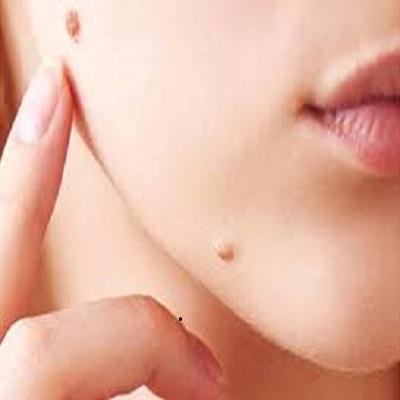
Warts are a common skin issue caused by certain strains of the human papillomavirus (HPV). These non-cancerous growths can appear anywhere on the body but are most commonly found on the hands, feet, and face. While several treatment methods exist, cryotherapy has gained popularity for its efficiency and minimal invasiveness. Cryotherapy involves freezing the wart using liquid nitrogen to destroy the infected tissue. It is one of the standard options used in clinical settings for individuals who want fast and effective results. If you’re exploring professional treatment options, Warts Removal Treatment In Islamabad offers specialized cryotherapy services for safe and efficient wart removal.
What Is Cryotherapy?
Cryotherapy, often referred to as cryosurgery, is a procedure where extreme cold is used to freeze and destroy abnormal skin tissue. In the context of wart removal, dermatologists apply liquid nitrogen (at temperatures around -196°C) directly to the wart. This sudden freezing causes the cells in the wart to rupture and eventually die, prompting the body’s immune system to remove the dead tissue naturally.
The procedure is fast, usually completed in a few minutes per wart, and is suitable for most common warts, including plantar warts and flat warts.
How Cryotherapy Works on Warts
The freezing process damages the skin cells within the wart by creating ice crystals inside them, disrupting cell membranes. Blood vessels supplying the wart are also affected, cutting off the nutrients and oxygen that keep the wart alive. After treatment, the area may blister, scab, and eventually peel off, removing the wart along with it.
Depending on the wart’s size and how long it has been present, more than one session may be needed to completely eliminate it. Typically, sessions are spaced two to three weeks apart to allow the skin to heal between treatments.
The Cryotherapy Procedure Step-by-Step
Here’s what patients can typically expect during a cryotherapy session:
1. Consultation and Examination
The dermatologist begins by examining the wart to determine if cryotherapy is appropriate. Factors like wart size, number, location, skin type, and any underlying health conditions are considered. In some cases, alternative treatments may be suggested, especially for people with diabetes or compromised circulation.
2. Preparation
No major preparation is required. The area is cleaned to remove any surface debris. A local anesthetic may be used if the wart is large or located in a sensitive area, though many small warts can be treated without numbing agents.
3. Application of Liquid Nitrogen
The dermatologist applies liquid nitrogen using a cotton swab, spray, or cryoprobe. The nitrogen is applied directly to the wart for a few seconds, typically 5 to 30 seconds, depending on the size and location. Patients may feel a stinging or burning sensation during the application, which typically subsides quickly.
4. Post-Treatment Response
Shortly after treatment, the skin around the wart may become red and swollen. A blister often forms within hours or by the next day. This is a normal part of the healing process. The blister may fill with clear fluid or blood and should not be punctured. It usually dries out within a week and is replaced by a scab, which falls off naturally within 1 to 2 weeks.
What to Expect After Cryotherapy
Recovery from cryotherapy is relatively simple and quick. However, aftercare is essential to avoid infection and support healing:
- Keep the treated area clean and dry.
- Avoid irritating or picking at the blister or scab.
- Apply antibiotic ointment if instructed by the doctor.
- Avoid strenuous activity that might disturb healing, especially for plantar warts on the feet.
- Protect the treated site with a bandage if needed.
Most patients resume normal activities immediately after treatment, with only minor discomfort.
Who Is an Ideal Candidate for Cryotherapy?
Cryotherapy is considered suitable for individuals with:
- Common warts on hands or fingers
- Plantar warts on the soles of the feet
- Flat warts on the face or legs
- Warts that have not responded to home treatments
- No known allergies or skin sensitivities to extreme cold
It may not be the first choice for people with poor circulation, peripheral neuropathy, or those prone to keloid scarring. Pregnant women and very young children may also be advised to consider alternative treatments.
Benefits of Cryotherapy
Cryotherapy offers several notable benefits:
- Speed: Each session is completed within minutes.
- Effectiveness: Especially for warts that haven’t responded to creams or salicylic acid.
- Minimal Invasiveness: No incisions or sutures are required.
- Low Risk of Scarring: When performed by experienced professionals, cryotherapy leaves minimal to no scars.
- Suitable for Multiple Warts: Several warts can be treated in a single visit.
Possible Side Effects and Risks
While cryotherapy is generally safe, a few side effects can occur:
- Mild pain or discomfort during and after treatment
- Blistering, which may be painful but usually resolves on its own
- Temporary skin discoloration, especially in darker skin tones
- Rarely, scarring or nerve damage if the procedure is too deep
Proper post-treatment care significantly reduces the risk of complications.
How Many Sessions Are Needed?
The number of cryotherapy sessions varies depending on:
- The size and number of warts
- The wart’s location
- The patient’s immune response
On average, patients may need 1 to 4 sessions for complete removal. Some warts may recur, in which case additional sessions or alternative treatments may be recommended.
Comparing Cryotherapy to Other Treatments
Cryotherapy is often compared with other wart removal methods such as laser therapy, surgical excision, and topical treatments. Here’s how it stands out:
- Faster than topical creams: Visible results are usually seen within a week or two.
- Less invasive than surgery: Minimal tissue disruption and quicker recovery.
- More accessible: Cryotherapy is widely available and less costly than laser treatment.
However, it may not be as precise as laser removal and is sometimes less effective for deep or very large warts.
Final Thoughts
Cryotherapy is a trusted and efficient method for removing warts by freezing them with liquid nitrogen. It is especially effective for individuals seeking a quick solution for painful or persistent warts that have not responded to over-the-counter methods. With proper application and care, cryotherapy offers a safe and relatively painless way to eliminate warts and restore healthy skin.
For those looking for professional treatment, Warts Removal Treatment In Islamabad at the SKN Cosmetics clinic provides expert evaluation, cutting-edge equipment, and a patient-centered approach to ensure optimal results with minimal discomfort.