


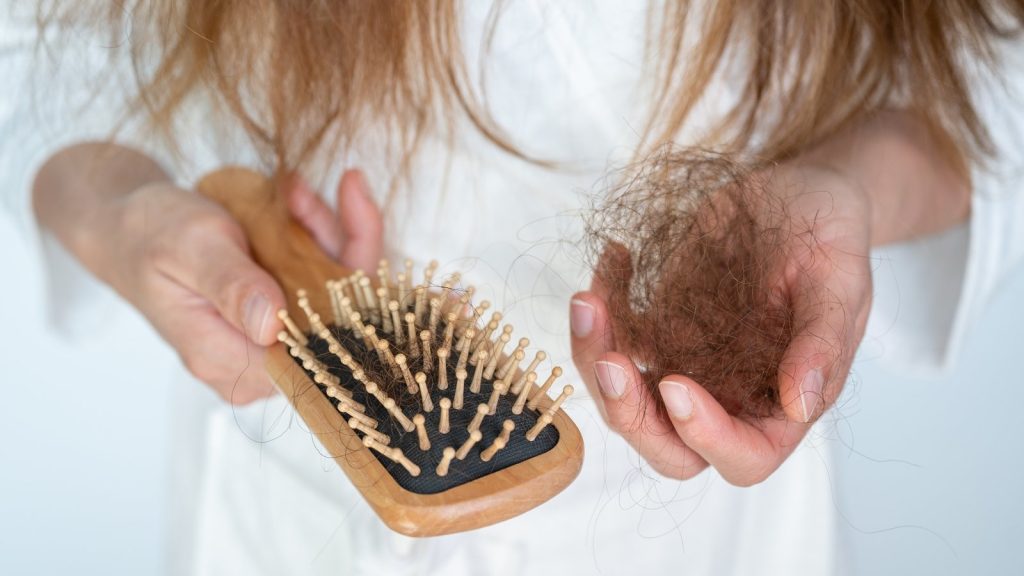
Hair Loss Treatment is a common issue that affects individuals of all ages and genders. While it can be caused by genetics, hormonal changes, stress, or nutritional deficiencies, external factors like pollution, excessive styling, and the use of harsh hair products can also contribute significantly. Understanding the root cause of hair fall is essential to finding an effective treatment. However, many people turn to natural remedies as a gentle, holistic alternative. DIY hair masks made from simple, readily available ingredients have gained popularity due to their ease of use and minimal risk of side effects.
The Power of Natural Ingredients:
Hair Loss Treatment in Dubai (علاج تساقط الشعر في دبي), Natural ingredients have long been celebrated for their healing properties. When it comes to hair care, elements such as coconut oil, aloe vera, onion juice, yogurt, and eggs are frequently used due to their nourishing and strengthening capabilities. These ingredients can promote scalp health, enhance blood circulation, and provide the necessary nutrients to strengthen hair roots. DIY masks crafted from these ingredients can improve hair texture, reduce breakage, and gradually help minimize hair loss. The key to effectiveness lies in consistency and proper application.
Coconut Oil and Aloe Vera Mask:
A combination of coconut oil and aloe vera is one of the most recommended DIY treatments for hair loss. Coconut oil penetrates the hair shaft, preventing protein loss and moisturizing the scalp. Aloe vera, on the other hand, soothes irritation and contains enzymes that promote healthy hair growth. To make this mask, blend equal parts of coconut oil and fresh aloe vera gel. Apply the mixture to the scalp and hair, leave it for at least 30 minutes, then rinse with a mild shampoo. Using this mask twice a week can significantly nourish the scalp and strengthen hair over time.
Onion Juice and Honey Mask:
Onion juice is rich in sulfur, which is crucial for the regeneration of hair follicles. It also improves blood circulation in the scalp, stimulating hair growth. Adding honey to onion juice creates a powerful blend that not only boosts hair health but also adds moisture and shine. To prepare this mask, extract juice from one onion and mix it with a tablespoon of honey. Apply the mixture to the scalp and leave it on for 20-30 minutes before washing it off. Regular use may help reduce hair thinning and encourage new growth, although the strong smell can be a drawback for some users.
Yogurt and Egg Protein Mask:
Hair is made up of keratin, a protein, and a lack of protein in the diet or hair care routine can lead to brittle, weak strands. A mask made of yogurt and egg is rich in proteins and vitamins. Yogurt conditions the hair, while eggs provide the essential nutrients that strengthen the hair follicles. Mix one egg with two tablespoons of plain yogurt, apply the blend to your scalp and hair, and leave it on for 30-40 minutes. After rinsing thoroughly, hair feels softer, stronger, and healthier. This mask is particularly beneficial for dry or damaged hair that needs extra nourishment.
Green Tea and Apple Cider Vinegar Rinse:
Though not a traditional mask, a rinse made from green tea and apple cider vinegar can be highly effective for hair loss prevention. Green tea is packed with antioxidants that reduce inflammation and support hair follicle activity, while apple cider vinegar helps balance the scalp’s pH and remove buildup. To use this remedy, steep two green tea bags in a cup of hot water, let it cool, then add a tablespoon of apple cider vinegar. After shampooing, use this mixture as a final rinse. Incorporating it into your hair care routine once or twice a week can improve scalp health and potentially reduce shedding.
Evaluating the Effectiveness of DIY Masks:
The success of DIY hair masks largely depends on individual hair types, consistency in use, and underlying causes of hair loss. While these natural treatments can offer temporary relief and promote healthier hair, they are not miracle cures. Many users report reduced breakage, improved hair texture, and a noticeable difference in overall volume after regular use over a few months. However, it’s important to remember that these remedies work best as part of a comprehensive hair care routine that includes proper hygiene, a balanced diet, and stress management. Results may vary, and patience is essential.
Incorporating DIY Masks into Your Routine:
Incorporating DIY hair masks into your regular self-care routine is simple and rewarding. These treatments can be apply weekly or biweekly depending on the severity of hair loss and hair type. It’s recommend to test a small amount of any new mixture on your skin to check for allergic reactions. Choosing the right combination of ingredients and remaining consistent with application will yield the best results. Over time, these homemade solutions can help nurture the scalp, strengthen hair from the roots, and restore natural shine, all while offering a relaxing, chemical-free hair care experience.
Conclusion:
DIY hair masks offer a natural, accessible, and gentle approach to managing hair loss. By using nutrient-rich ingredients like coconut oil, aloe vera, onion juice, yogurt, and green tea, these homemade treatments can help nourish the scalp, strengthen hair strands, and support healthier growth over time. While they may not provide instant results or address severe hair loss on their own, their consistent use can lead to noticeable improvements in hair texture and volume. Incorporating these masks into your routine not only promotes hair wellness but also encourages a mindful, holistic approach to self-care.