


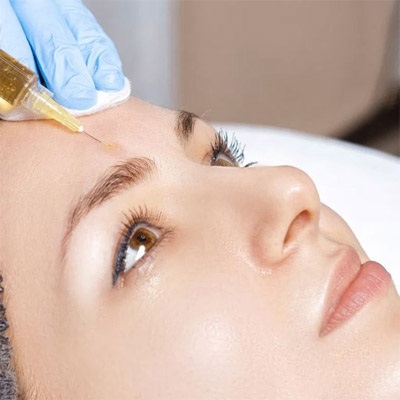
Hyperpigmentation is a widespread skin issue that affects individuals of all skin types. It appears as dark patches or spots on the skin, caused by an overproduction of melanin. This can be triggered by sun exposure, inflammation, acne scars, or hormonal changes. Many people spend years trying various creams and treatments with little to no visible improvement. However, microneedling has emerged as a natural and effective solution for treating hyperpigmentation. This treatment, now widely offered by aesthetic clinics, including those providing advanced care like Erectile Dysfunction Treatment in Islamabad, is transforming the skincare landscape for individuals seeking non-invasive options.
Microneedling, also known as collagen induction therapy, involves the use of a device embedded with tiny, sterile needles that create controlled micro-injuries on the skin’s surface. These micro-punctures trigger the skin’s natural healing response, increasing the production of collagen and elastin while enhancing the skin’s ability to regenerate. For individuals struggling with uneven skin tone, dark spots, or post-inflammatory hyperpigmentation, microneedling offers an approach that works from within, encouraging the skin to repair itself.
Understanding Hyperpigmentation
Before understanding how microneedling helps, it’s essential to recognize what causes hyperpigmentation. It can manifest in various forms:
-
Post-Inflammatory Hyperpigmentation (PIH): Dark marks left after acne, cuts, or skin inflammation.
-
Melasma: Hormonal pigmentation often occurring during pregnancy or due to contraceptive use.
-
Sunspots (Lentigines): Caused by prolonged sun exposure and aging.
-
Freckles: Inherited, though they may darken with sun exposure.
Hyperpigmentation occurs when melanocytes (melanin-producing cells) become overactive. Traditional treatments like hydroquinone or chemical peels may offer temporary relief but often come with side effects or irritation. Microneedling stands out as a more natural method to reduce pigmentation without chemical dependence.
How Microneedling Targets Hyperpigmentation
Microneedling targets hyperpigmentation at the source by disrupting the melanin clusters beneath the skin’s surface and encouraging cellular turnover. As the skin heals from the micro-injuries, new, healthy skin cells replace the pigmented ones, leading to a brighter, more even complexion.
In addition, microneedling improves the absorption of topical brightening agents like vitamin C or kojic acid. The micro-channels created during the procedure allow these actives to penetrate deeper, maximizing their effectiveness and speeding up the skin’s renewal process.
Key Benefits of Microneedling for Hyperpigmentation
-
Improved Skin Tone: By promoting cell turnover, microneedling helps fade existing dark spots and prevents new ones from forming.
-
Enhanced Product Absorption: Skin permeability increases, allowing for better absorption of pigmentation-reducing serums.
-
Minimally Invasive: Unlike laser treatments or deep chemical peels, microneedling is gentle and does not significantly damage the skin surface.
-
Suitable for All Skin Types: Particularly beneficial for darker skin tones who may be at risk of post-inflammatory hyperpigmentation from harsher procedures.
-
Minimal Downtime: Most patients resume daily activities within 24–48 hours after treatment.
The Procedure: What to Expect
A typical microneedling session begins with a skin assessment to determine suitability. After cleansing the area, a numbing cream is applied for comfort. The practitioner then uses a dermapen or microneedling device to glide over the skin, creating uniform micro-injuries.
Most sessions last about 30 to 60 minutes. Post-treatment, the skin may appear red or feel tight, similar to a mild sunburn. This subsides within a day or two, and most people begin to see visible improvements after the first few sessions.
To treat hyperpigmentation effectively, dermatologists often recommend a series of sessions, typically spaced 3–4 weeks apart. On average, patients require 3–6 treatments for optimal results, depending on the severity of pigmentation.
Combining Microneedling with Brightening Agents
Microneedling works exceptionally well when paired with depigmenting agents. During or immediately after the procedure, skin experts may apply serums such as:
-
Vitamin C: A powerful antioxidant that brightens and protects.
-
Tranexamic Acid: Effective in treating melasma.
-
Niacinamide: Reduces melanin production and strengthens the skin barrier.
-
Licorice Extract: Soothes inflammation and reduces pigmentation.
These combinations help to target pigmentation more aggressively while maintaining safety and comfort.
Is Microneedling Safe for Hyperpigmentation?
Yes, when performed by a trained professional, microneedling is safe for managing hyperpigmentation. It is especially favored for patients with darker skin tones, where laser treatments might lead to complications like hypopigmentation or further darkening.
However, it’s essential to follow pre- and post-care instructions closely:
-
Avoid sun exposure and use sunscreen daily
-
Discontinue use of retinoids and exfoliants several days prior
-
Avoid makeup and sweating for 24 hours post-treatment
-
Use gentle, hydrating skincare after the procedure
Following the correct regimen enhances results and prevents adverse effects.
Who Should Avoid Microneedling?
Although microneedling is generally safe, it may not be suitable for everyone. Those with the following conditions should consult a dermatologist:
-
Active acne or open wounds
-
Eczema or psoriasis flare-ups
-
Blood clotting disorders
-
Recent use of isotretinoin (Accutane)
A thorough consultation is crucial to ensure the treatment plan is tailored and safe for individual skin types and conditions.
The Growing Popularity of Microneedling in Islamabad
In Islamabad, the demand for microneedling is rapidly growing due to its ability to address multiple skin concerns—hyperpigmentation being one of the most common. The city’s blend of sunny weather and urban pollution often triggers pigmentation issues, especially for residents with sensitive or melanin-rich skin.
Clinics in Islamabad are increasingly offering microneedling as part of advanced skincare packages, providing holistic solutions for pigmentation, aging, and acne scars. The popularity of microneedling is not only due to its effectiveness but also because it’s a low-risk, high-reward option for achieving radiant, even-toned skin.
Results and Maintenance
Most people start noticing visible improvements in hyperpigmentation after two to three sessions. With regular treatments and proper skincare maintenance, the skin becomes noticeably clearer, firmer, and more evenly toned. Continued use of SPF and brightening agents helps sustain these results.
To maintain results, dermatologists may recommend follow-up treatments every 4–6 months, depending on the individual’s skin condition and exposure to external triggers like sun or pollutants.
Conclusion
Microneedling presents a promising, natural solution for those battling persistent hyperpigmentation. By encouraging the skin’s own regenerative process, it gradually lightens dark spots and reveals a smoother, more even complexion. Its versatility, safety, and effectiveness make it one of the top non-invasive treatments for skin discoloration today. For those looking for a reliable and expert facility to undergo microneedling, the professionals at SKN Cosmetics clinic in Islamabad offer advanced dermatological care backed by years of experience in cosmetic and medical treatments.