


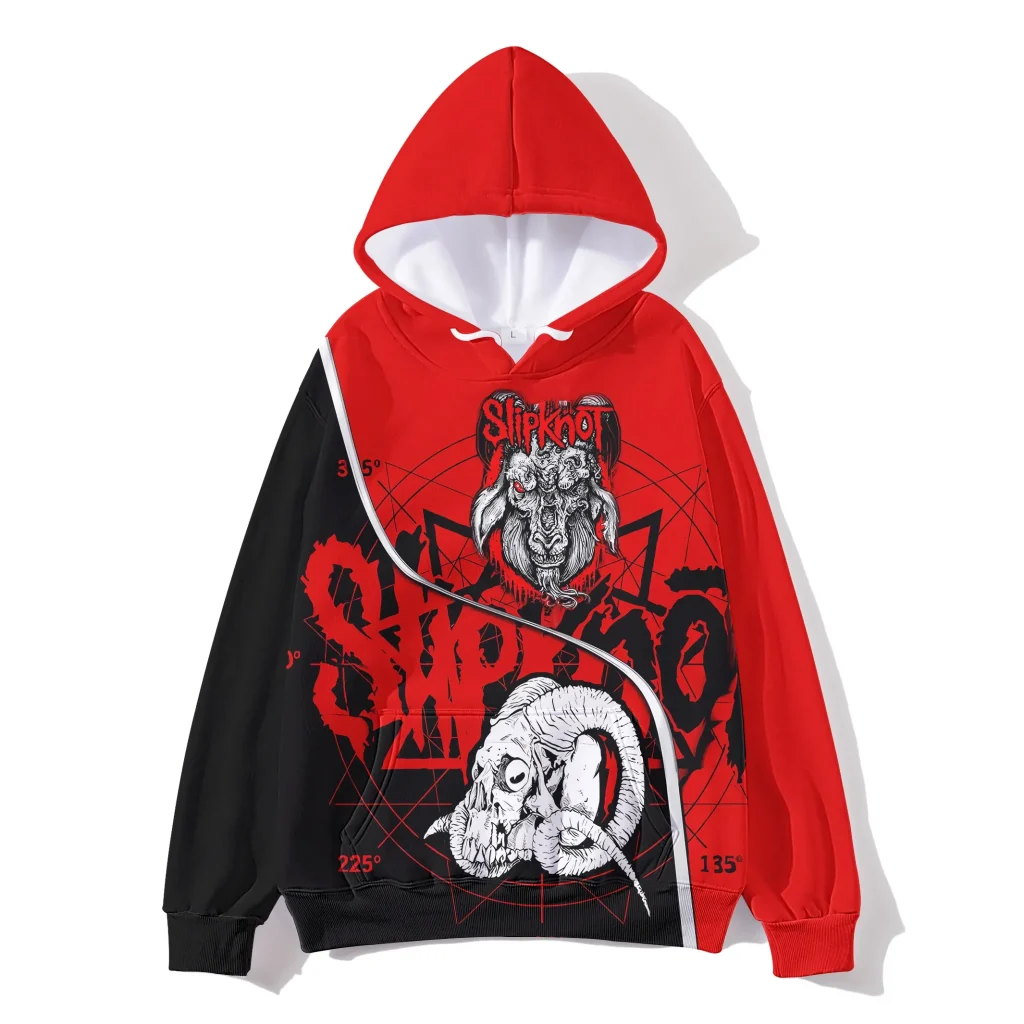
Slipknot, the Iowa-based heavy metal band formed in 1995, has become an iconic name in the world of music, not just for their electrifying performances but also for their distinct image. slipknotmerchshop.com The band’s aggressive sound, masked personas, and unique style have made them a force to be reckoned with in the rock and metal scenes. Among the various ways fans celebrate their allegiance to the band is through Slipknot shirts—an essential part of the fan culture and fashion.
This article delves into the significance of Slipknot shirts, their design evolution, and how these garments have transcended from mere band merchandise to symbols of rebellion, individuality, and community.
The Birth of Slipknot’s Distinctive Image
Slipknot’s early days were marked by an ever-changing lineup, but one thing that stayed constant was their commitment to pushing boundaries. By 1999, when they released their self-titled debut album, Slipknot was already gaining notoriety for their chaotic performances and the eerie, distinctive masks they wore on stage. These masks, each representing a different character or persona, were a part of the band’s larger-than-life identity.
From the very beginning, Slipknot’s fashion choices were linked to their music and message. The band’s members wore matching jumpsuits, symbolizing their unity and collective identity, and their masks became an iconic part of their branding. Over time, this visual identity would extend beyond the stage into merchandise, with Slipknot shirts playing a central role.
Slipknot Shirts Beyond Merchandise
Slipknot shirts are more than just pieces of clothing; they are a declaration of loyalty. For fans, wearing a Slipknot shirt means embracing the band’s ethos of rebellion, chaos, and unity. slipknot shirt It’s a way to express identity and communicate belonging to a community that values music as an outlet for emotion and energy.
Early Slipknot shirts were fairly simple, often featuring the band’s logo or album artwork on the front. However, as the band’s fanbase grew and their image became more polished, the designs of their shirts became more intricate and diverse. Their shirts now reflect a range of different themes, from the cryptic and unsettling imagery related to their masks to more abstract designs, which reflect the band’s musical evolution and their darker themes.
Design Evolution From Simple Logos to Complex Artwork
The first Slipknot shirts featured simple logos or text-based designs that focused primarily on branding. As the band’s popularity increased, the designs began to include imagery from album covers, such as the artwork from Iowa (2001) and Vol. 3: (The Subliminal Verses) (2004). These shirts often had images of the nine band members’ faces, either in their masked forms or as abstract representations of the group’s chaotic energy.
Album-specific shirts: Fans often buy shirts tied to a specific album, such as the Iowa era shirts featuring disturbing imagery and dark, gritty artwork, which matched the band’s aggressive tone during that time. The Vol. 3 era brought more colorful and artistic designs, marking a shift towards more complex and visually striking artwork. The evolution of Slipknot shirts mirrored the band’s shift in musical style, from raw aggression to more experimental and melodic undertones.
Symbolism: Some Slipknot shirts feature symbolic elements—such as pentagrams, skulls, or references to ancient mythology—that align with the band’s often dark, introspective lyrics. These elements carry deeper meanings and connect fans with the underlying themes of Slipknot’s music, which often deals with personal struggle, emotional trauma, and societal alienation.
Limited Editions: Over the years, Slipknot has released exclusive and limited edition shirts that feature unique artwork or designs for specific events, such as tours, anniversaries, or album releases. These special editions are highly sought after by fans and collectors and often become highly valuable as time goes on.
Slipknot Shirts and Fashion
Slipknot shirts have found a place outside the mosh pits of metal concerts. As the band’s influence grew, so did the visibility of Slipknot shirts in mainstream fashion. Slipknot’s aggressive yet stylish aesthetic began to make waves in alternative and streetwear scenes, and fans of other genres embraced the bold, striking imagery associated with the band.
The streetwear movement: The popularity of Slipknot shirts coincided with the rise of the streetwear culture, a subculture rooted in hip-hop and skateboarding but heavily influenced by music, particularly punk, rock, and metal. This allowed Slipknot shirts to move beyond the typical fan wardrobe and into the closets of those who identified with the band’s spirit, even if they weren’t die-hard fans of their music.
Celebrity Influence: Artists and celebrities from outside the metal community—such as rappers and actors—have often been spotted wearing Slipknot shirts, helping to solidify the band’s status as a cultural force. The blend of alternative fashion with mainstream appeal has contributed to the band’s shirts being seen as a form of wearable art, more than just another piece of band merchandise.
Band Merchandise as Art: Slipknot shirts are also often designed by visual artists who work closely with the band to create compelling imagery that aligns with their music and message. These collaborations give Slipknot shirts an artistic and conceptual element, and many fans and collectors view the shirts as works of art rather than just clothing. This idea has been reinforced by the fact that the band has released art books and other merchandise that highlights the artwork featured on their shirts.
The Community Aspect of Wearing Slipknot Shirts
For many, wearing a Slipknot shirt is a badge of honor. It signifies that you are part of the “Knot”—the worldwide Slipknot fanbase. This community is not just about music, but about shared experiences, common struggles, and a collective identity.
Concerts and festivals: When fans show up to Slipknot concerts or metal festivals in their shirts, it’s a way of expressing camaraderie with fellow fans. The shirt becomes a symbol of shared values: a love for heavy music, a defiance against the norm, and a sense of belonging in something larger than oneself. In the crowd, a Slipknot shirt acts as a visual connection between people who might otherwise be strangers but are united through the band’s music.
Online communities The rise of social media and online forums has allowed Slipknot fans to connect over their shared love of the band. In these spaces, fans often post photos of themselves wearing their Slipknot shirts, sometimes participating in meme culture or simply showcasing their pride in being part of the Slipknot fan community. The band’s presence online has further cemented their cultural relevance and made their shirts a symbol of that identity.
Conclusion More Than Just a Shirt
Slipknot shirts have transcended their original purpose as simple band merchandise. They are symbols of rebellion, unity, and identity for fans. These shirts are often regarded as an integral part of the Slipknot experience, whether you’re in the mosh pit or rocking the design in everyday life. With their evolving designs, cultural relevance, and connection to the band’s unique persona, Slipknot shirts have cemented their place in both the music world and popular culture at large.
For fans, wearing a Slipknot shirt isn’t just about showing support for a band—it’s about showcasing who they are, where they belong, and the impact that Slipknot’s music has had on their lives. In the ever-evolving landscape of music and fashion, Slipknot shirts remain a steadfast symbol of identity, rebellion, and community.