


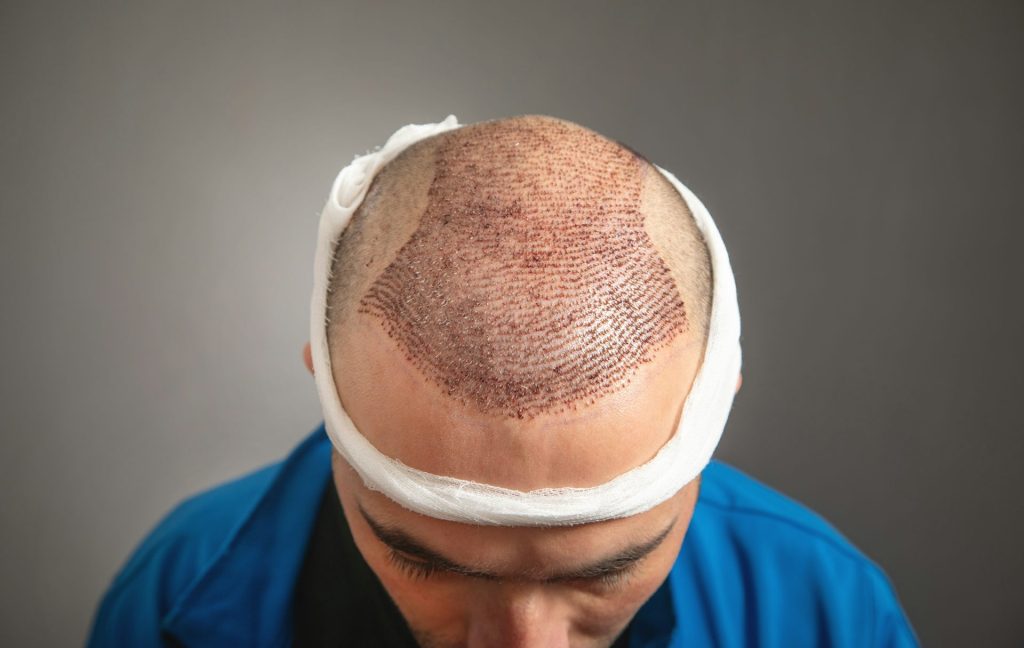
Planning a hair transplant is an important decision that requires not just financial commitment, but also physical and emotional preparation. With hair restoration procedures becoming increasingly advanced and accessible, patients are more empowered than ever to address baldness or thinning. If you are considering a Hair transplant in Islamabad, proper preoperative planning is essential to ensure optimal results, a smooth surgical experience, and long-lasting satisfaction.
From selecting the right clinic to preparing your scalp and managing your health, the period leading up to surgery plays a major role in the outcome. This guide outlines everything you should do before undergoing a hair transplant in Islamabad.
1. Choose the Right Clinic and Surgeon
One of the most crucial steps is selecting a qualified and experienced hair transplant surgeon. Not all clinics offer the same level of skill, technology, or patient care. Look for:
-
A board-certified plastic surgeon or dermatologist with specialization in hair restoration
-
Verified before-and-after case studies
-
Transparent consultation process and treatment planning
-
Modern techniques such as FUE (Follicular Unit Extraction) and FUT (Follicular Unit Transplantation)
Take your time to research, read reviews, and attend a consultation to assess the clinic’s professionalism and whether their approach aligns with your goals.
2. Undergo a Thorough Consultation
A comprehensive consultation is more than just a price quote. It’s where the foundation of your surgical plan is built. Expect the surgeon to:
-
Evaluate your hair loss pattern using the Norwood or Ludwig scale
-
Assess the quality and density of your donor area
-
Review your medical history, medications, and lifestyle
-
Discuss your expectations and create a personalized treatment plan
Your surgeon may also simulate possible results using digital tools, helping you visualize the outcome and understand what’s realistic.
3. Get a Medical Evaluation
Hair transplant surgery is a minor outpatient procedure, but it’s still a medical one. A routine health screening ensures you’re fit for surgery and recovery. Your doctor may request:
-
Blood tests to check for anemia, clotting issues, or underlying conditions
-
Scalp analysis to detect infections, dandruff, or skin disorders
-
Allergy screening for local anesthesia or antiseptics
If you have chronic conditions like diabetes, hypertension, or thyroid imbalance, these should be well-managed before scheduling surgery.
4. Avoid Blood-Thinning Medications
Blood thinners can increase bleeding during the procedure, which may affect graft placement and healing. Common medications to avoid include:
-
Aspirin
-
Ibuprofen
-
Naproxen
-
Certain herbal supplements (ginkgo biloba, garlic, ginseng, vitamin E)
Inform your doctor about any prescribed or over-the-counter drugs you are taking. You may need to discontinue these a week prior to surgery under medical supervision.
5. Stop Smoking and Limit Alcohol
Nicotine constricts blood vessels and reduces oxygen supply, impairing healing and increasing the risk of graft failure. Alcohol also thins the blood and can lead to dehydration. To optimize surgical outcomes:
-
Stop smoking at least two weeks before the procedure
-
Avoid alcohol for at least 72 hours before surgery
-
Stay well-hydrated and maintain a balanced diet to support tissue recovery
Following these guidelines significantly improves post-operative results.
6. Avoid Hair Treatments and Chemical Products
In the days leading up to the procedure, avoid using:
-
Hair dye or bleach
-
Chemical straightening or perming agents
-
Hair serums with minoxidil or finasteride
These products can irritate the scalp or interfere with surgical planning. Wash your hair with a gentle shampoo the night before surgery and avoid applying oils or styling products.
7. Trim Your Hair (Only If Advised)
Some clinics prefer that you arrive with longer hair so they can examine natural density and plan graft distribution. Others may request a trim or shave in advance—especially for FUE procedures. Always follow your surgeon’s specific instructions.
Avoid cutting your hair too short before the consultation as it may make it difficult for the surgeon to properly assess the thinning pattern and donor area strength.
8. Arrange for Time Off and Recovery
Although modern hair transplants have minimal downtime, you will still need a few days to rest, manage post-op care, and allow the scalp to heal. Plan ahead by:
-
Taking at least 3 to 7 days off work
-
Preparing a clean sleeping area with multiple pillows to keep your head elevated
-
Having loose-fitting caps or hoodies available to cover redness without touching grafts
-
Stocking up on any prescribed medications or saline spray
Avoid booking social events or physical activities for the first 10 to 14 days post-surgery.
9. Prepare Mentally and Emotionally
Understanding the timeline of hair regrowth is key to managing your expectations. Results won’t be immediate. Transplanted hairs will typically fall out after a few weeks (shock loss) and start regrowing around 3 to 4 months after surgery. Full results usually take 9 to 12 months.
Discuss any anxieties with your surgeon, ask questions about the procedure, and make sure you’re mentally prepared for the wait and aftercare.
10. Follow Pre-Op Instructions Carefully
On the day before your surgery, your clinic may provide specific guidelines, such as:
-
Do not eat or drink for a certain number of hours if sedation will be used
-
Shower and wash your scalp using a mild shampoo
-
Wear a button-down or loose-fitting shirt on surgery day
-
Arrive at the clinic with a clean scalp, free from oils, gels, or sprays
Adhering to these instructions reduces surgical risks and helps the medical team deliver better outcomes.
Conclusion
Proper preparation before a hair transplant plays a critical role in ensuring both surgical success and post-operative satisfaction. From choosing the right clinic to optimizing your physical health and following medical guidance, each step contributes to a smoother recovery and natural-looking results. If you’re thinking about undergoing hair restoration, invest the time in planning thoroughly—it will reflect in the outcome.
For individuals seeking reliable care and personalized treatment, the SKN Cosmetics clinic in Islamabad provides expert consultations and advanced hair transplant procedures backed by experience and patient trust. Their team ensures that every aspect of your hair restoration journey—from preparation to results—is handled with professionalism and care.