


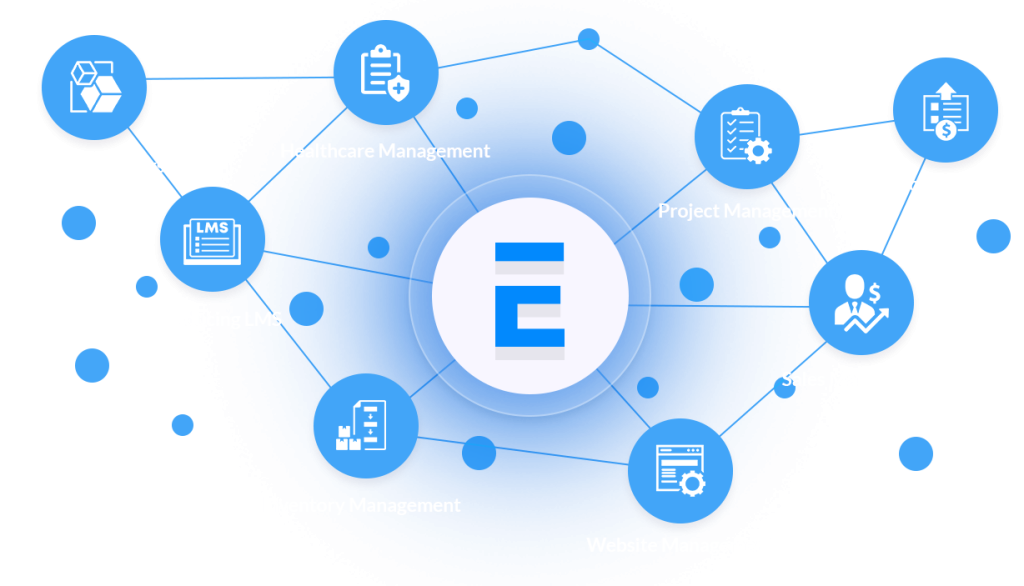
In today’s fast-paced digital landscape, business automation and process efficiency are more critical than ever. One of the leading open-source ERP platforms making this possible is ERPNext. As organizations increasingly adopt this robust solution, the demand for a specialized expert — the ERPNext developer — continues to surge. This comprehensive guide explores who an ERPNext developer is, the responsibilities they shoulder, the skills they must possess, and how they contribute to the seamless implementation of ERPNext across business verticals.
What is ERPNext?
ERPNext is an open-source Enterprise Resource Planning (ERP) software built using Python and the Frappe Framework. It offers a comprehensive suite of modules that cater to accounting, sales, CRM, inventory, HR, manufacturing, and more. Designed for small to medium-sized businesses, ERPNext provides businesses with a centralized, customizable platform to manage their operations efficiently.
Who is an ERPNext Developer?
An ERPNext developer is a technical specialist proficient in customizing, deploying, and maintaining ERPNext solutions tailored to a business’s unique needs. These professionals use the Frappe framework to build custom applications and workflows, ensuring seamless integrations and enhancements to the ERP platform. Whether it’s backend server-side scripting or UI/UX customization, ERPNext developers play a vital role in bridging business requirements with technical solutions.
Key Roles and Responsibilities of an ERPNext Developer
1. Customization and Module Development
ERPNext is designed to be highly customizable, and ERPNext developers are tasked with tailoring the platform to suit specific business processes. From tweaking existing modules to developing entirely new ones, they ensure that the ERP aligns perfectly with organizational needs.
-
Create custom apps and modules using Frappe framework.
-
Modify existing DocTypes, Reports, and Workflows.
-
Build custom scripts to enhance front-end functionalities.
2. ERPNext Implementation and Deployment
Implementing ERPNext involves more than just installing software. ERPNext developers manage end-to-end implementation:
-
Requirement gathering and analysis.
-
Data migration and cleansing.
-
Installation and configuration.
-
Training and support for end-users.
3. Maintenance and Support
After deployment, ERPNext developers provide ongoing technical support to resolve bugs, perform version upgrades, and implement enhancements.
-
Monitor system performance.
-
Apply patches and updates.
-
Resolve integration or compatibility issues.
4. Integration with Third-party Applications
Businesses often use multiple software tools. ERPNext developers ensure that ERPNext integrates smoothly with third-party platforms like payment gateways, e-commerce platforms, CRM tools, and ERPNext mobile apps.
-
Use REST APIs and Webhooks for seamless communication.
-
Implement real-time data syncing.
-
Develop connectors for ERPNext mobile app extensions.
5. Developing ERPNext Mobile Applications
With the increasing need for on-the-go access, ERPNext developers also work on creating and refining the ERPNext mobile app experience.
-
Build mobile-friendly UI/UX for the ERP system.
-
Ensure data security and synchronization.
-
Optimize performance for mobile users.
Essential Skills of an ERPNext Developer
To thrive in this domain, an ERPNext developer must possess a well-rounded skill set that combines technical prowess with domain knowledge.
1. Programming Languages
-
Python: Core backend language for ERPNext.
-
JavaScript: For client-side scripting.
-
HTML/CSS: For front-end design and customization.
2. Frappe Framework Proficiency
Understanding the Frappe framework is non-negotiable. This includes:
-
Working with DocTypes and Page Controllers.
-
Designing custom Workflows and Reports.
-
Managing Role-based Permissions.
3. Database Management
ERPNext is backed by MariaDB, so developers must be proficient in:
-
Writing complex SQL queries.
-
Data modeling and normalization.
-
Backup and restoration processes.
4. Version Control and Deployment Tools
-
Git for version control.
-
Docker and Bench for deployment.
-
Understanding of CI/CD pipelines.
5. Business Process Knowledge
An ERPNext developer should understand:
-
Inventory and supply chain management.
-
Accounting workflows and taxation rules.
-
HR policies and payroll systems.
This domain knowledge helps them design more efficient and practical solutions.
Working with ERPNext Service Providers
Many businesses choose to outsource their ERPNext development to ERPNext service providers. These organizations employ certified ERPNext developers who offer:
-
Professional consultation and needs assessment.
-
Timely implementation with agile methodologies.
-
Cost-effective development and maintenance.
-
Support for ERPNext mobile app enhancements.
Working with ERPNext service providers ensures that you receive expert guidance and scalable support throughout your ERP journey.
ERPNext Developer vs. Functional Consultant
While ERPNext developers focus on coding, customizations, and integrations, functional consultants handle requirement analysis, documentation, testing, and training. For a successful ERPNext implementation, collaboration between both roles is essential.
Why Hire an ERPNext Developer?
Hiring a skilled ERPNext developer enables organizations to:
-
Reduce manual workload through automation.
-
Improve data accuracy and visibility.
-
Customize workflows as per industry standards.
-
Scale the ERP system with growing business needs.
-
Enable mobile access through ERPNext mobile apps.
Whether you’re a startup or an enterprise, investing in a qualified ERPNext developer can dramatically improve your operational efficiency and digital agility.
Industries That Benefit from ERPNext Development
ERPNext is a versatile platform and has been widely adopted across industries such as:
-
Manufacturing
-
Retail & E-commerce
-
Education
-
Healthcare
-
Construction
-
IT Services
ERPNext developers help tailor the solution to suit the unique needs and compliance standards of each of these sectors.
Conclusion
The role of an ERPNext developer is integral to successful digital transformation. From implementing advanced features to creating seamless ERPNext mobile app experiences and providing continuous support, they enable businesses to unlock the full potential of the ERPNext platform. As the demand for tailored ERP solutions grows, ERPNext developers and ERPNext service providers will continue to shape the future of enterprise resource planning across industries.
If you’re planning to adopt ERPNext or enhance your current setup, hiring a skilled developer or partnering with a reliable ERPNext service provider is the best first step toward success.