


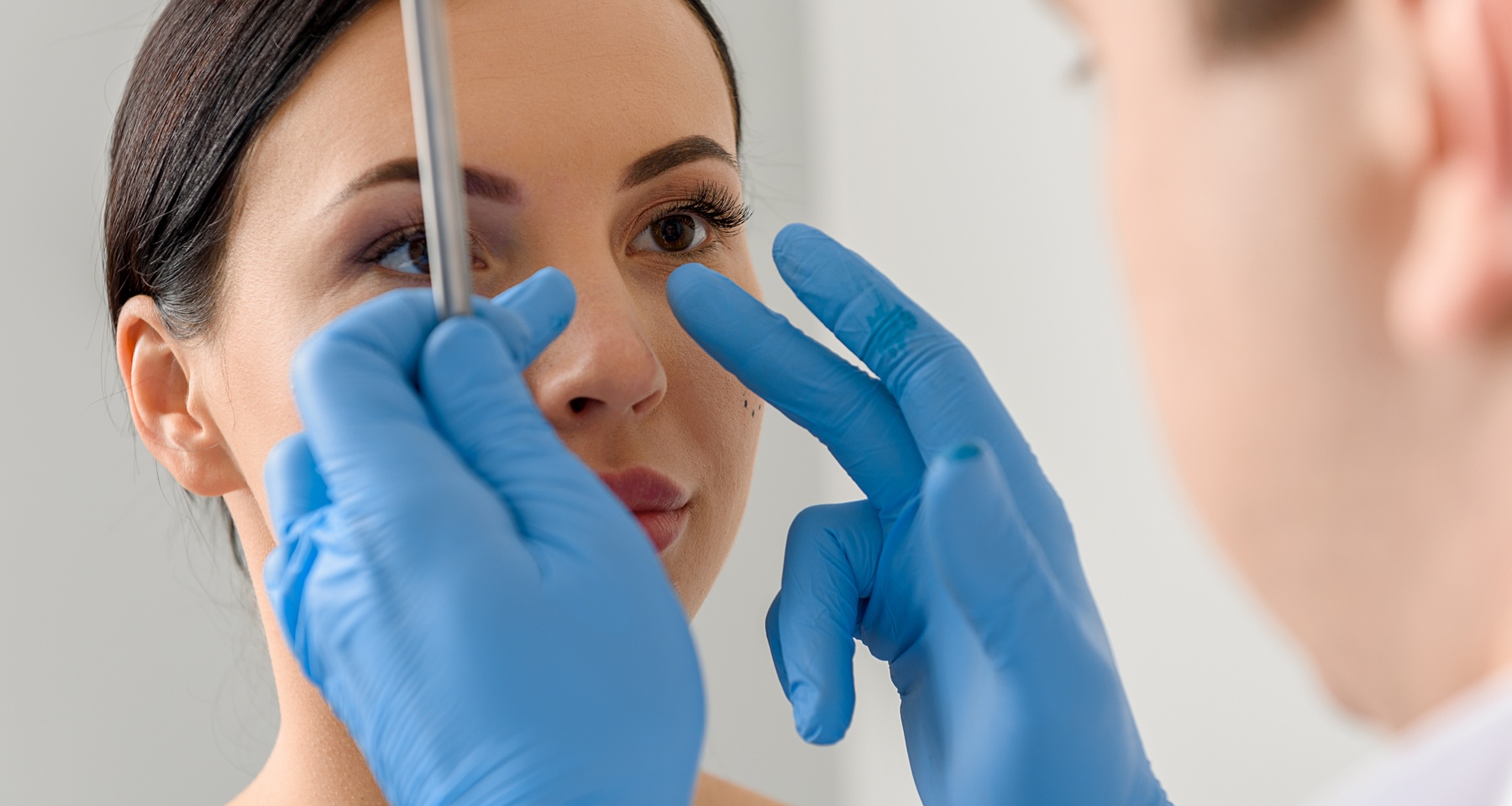
Rhinoplasty is a transformative surgical procedure that reshapes the nose for cosmetic or functional reasons. Whether you’ve chosen it for aesthetic enhancement or to correct breathing issues, proper recovery is essential for achieving the desired results. If you’ve recently undergone or are planning to get Rhinoplasty in Islamabad during the winter months, you’ll need to take some extra precautions to ensure smooth healing.
Winter may be a preferred season for many cosmetic surgeries due to cooler temperatures and fewer social obligations, but it also comes with unique recovery challenges. This comprehensive guide will walk you through effective winter recovery tips after rhinoplasty, from managing swelling and dryness to staying infection-free.
Why Winter Is Ideal for Rhinoplasty
Before diving into the recovery tips, it’s essential to understand why winter is considered an ideal season for rhinoplasty:
-
Lower UV Exposure: Reduced sunlight minimizes the risk of hyperpigmentation and sunburn during recovery.
-
Cooler Temperatures: Cold weather can reduce swelling more effectively than hot, humid conditions.
-
More Downtime: People typically have fewer social commitments in winter, making it easier to rest and recover.
-
Mask Wearing: Cold weather makes it socially acceptable to wear masks or scarves, helping discreetly cover any bruising or swelling.
However, with these advantages come some winter-specific challenges that require thoughtful post-op care.
Common Recovery Challenges in Winter
-
Dry Air: Low humidity levels in winter can dry out the nasal passages, causing discomfort and prolonging healing.
-
Increased Risk of Colds: Cold and flu viruses are more prevalent, which can complicate recovery.
-
Indoor Heating: Heaters dry the air even more, increasing nasal dryness and potential irritation.
-
Chilly Winds: Exposure to cold wind can stress healing tissues and increase the risk of complications.
-
Slippery Conditions: Ice and snow can increase the risk of falls, which are especially dangerous after facial surgery.
Understanding these challenges allows you to better prepare and mitigate any complications during recovery.
Essential Winter Recovery Tips After Rhinoplasty
1. Stay Indoors During the Initial Recovery Phase
Limit your exposure to the cold for at least the first 7-10 days. Your nasal tissues are extremely delicate during this period and need warmth and stability. If you must go outside:
-
Wear a loose scarf that does not press on your nose.
-
Avoid windy and snowy days.
-
Do not participate in winter sports or strenuous activities.
2. Use a Humidifier at Home
Indoor heating systems strip the air of moisture, leading to dryness and irritation in your nasal passages. Using a cool-mist humidifier can help:
-
Keep mucous membranes moist.
-
Promote faster tissue regeneration.
-
Reduce post-surgery discomfort.
Place the humidifier in your bedroom, especially near your sleeping area.
3. Stay Hydrated
Hydration is critical for flushing out toxins and supporting the healing process. During winter, people tend to drink less water. Make a conscious effort to:
-
Drink at least 8 glasses of water daily.
-
Incorporate hydrating teas like chamomile or ginger.
-
Avoid caffeine and alcohol, which can dehydrate you.
4. Protect Your Nose from Sudden Temperature Changes
Transitioning between indoor warmth and outdoor cold can stress your healing tissues. Try the following:
-
Warm up your car before stepping out.
-
Dress in layers and avoid extreme temperature differences.
-
Avoid hot showers that produce steam and cause blood vessels to dilate, increasing swelling.
5. Avoid Catching a Cold
A runny or congested nose post-rhinoplasty can interfere with healing and cause complications. To reduce the risk:
-
Wash hands regularly.
-
Avoid crowded places.
-
Take immune-boosting supplements (consult your doctor first).
-
Stay away from sick individuals.
If you do catch a cold, inform your surgeon immediately for advice on managing symptoms without compromising recovery.
6. Nasal Care: Keep It Clean and Moisturized
Post-operative care includes gentle cleaning and keeping the nasal passages moist.
-
Use saline nasal sprays as recommended by your surgeon.
-
Apply antibiotic ointments if prescribed.
-
Avoid blowing your nose for at least two weeks post-surgery.
7. Follow a Nutritious, Healing Diet
Proper nutrition supports tissue repair and boosts immunity.
-
Include foods rich in Vitamin C, Zinc, and Omega-3 fatty acids.
-
Avoid spicy and hot foods that can increase nasal inflammation.
-
Stick to soft foods during the initial week to avoid facial strain.
8. Keep Your Head Elevated While Sleeping
Sleeping with your head elevated helps reduce swelling and bruising.
-
Use two pillows or a wedge pillow.
-
Avoid sleeping on your side or stomach.
-
Maintain this sleeping position for at least 1-2 weeks post-op.
9. Attend All Follow-Up Appointments
Regular check-ins with your surgeon are crucial to monitor healing progress and address any complications early.
-
Don’t skip appointments, even if you’re feeling fine.
-
Discuss any discomfort, swelling, or unusual symptoms.
-
Ask about safe skincare products for winter post-surgery use.
10. Avoid Physical Activity and Winter Sports
Any high-impact or strenuous activity can disrupt your healing process. Winter sports like skiing or snowboarding are especially dangerous after rhinoplasty.
-
Wait at least 4-6 weeks before resuming light exercise.
-
Avoid any activity that risks facial injury.
Additional Tips for a Comfortable Recovery
-
Avoid Smoking: It reduces oxygen flow to healing tissues and increases the risk of infection.
-
Use Lip Balm and Moisturizer: Winter dryness can cause discomfort around your mouth and skin.
-
Wear Sunglasses with Caution: If necessary, choose frames that don’t rest on the bridge of your nose.
-
Be Patient: Full results may take up to a year to be visible, so stay consistent with care.
Psychological Support During Recovery
Winter’s darkness can contribute to low mood or even seasonal affective disorder (SAD). Add that to recovery-related isolation, and emotional well-being can suffer.
-
Stay connected with friends and family through video calls.
-
Engage in light indoor activities to lift your mood.
-
Don’t hesitate to speak with a therapist if you’re feeling down.
What to Avoid in Winter Rhinoplasty Recovery
| Don’ts | Reason |
|---|---|
| Blowing your nose | Can disrupt internal sutures |
| Wearing tight hats or masks | Might apply pressure to the healing nose |
| Exposing yourself to wind | Can dry out nasal tissues and delay healing |
| Hot tubs or saunas | Increases swelling and affects blood flow |
| Ignoring mild symptoms | May escalate into complications |
When to Call Your Surgeon
Contact your surgeon immediately if you notice:
-
Persistent bleeding
-
High fever
-
Severe or increasing pain
-
Signs of infection (pus, redness, warmth)
Early medical attention can prevent minor issues from becoming serious.
Conclusion
Rhinoplasty is a significant procedure, and winter offers many advantages for a smooth and discreet recovery. However, the season’s cold, dry conditions also bring unique recovery challenges. By following these tailored winter recovery tips, you can ensure optimal healing and enjoy the full benefits of your Rhinoplasty in Islamabad.
With proper care, patience, and support from your surgical team, you’ll be well on your way to unveiling your new look with confidence. Stay warm, stay hydrated, and most importantly, stay consistent with your post-operative routine.


