


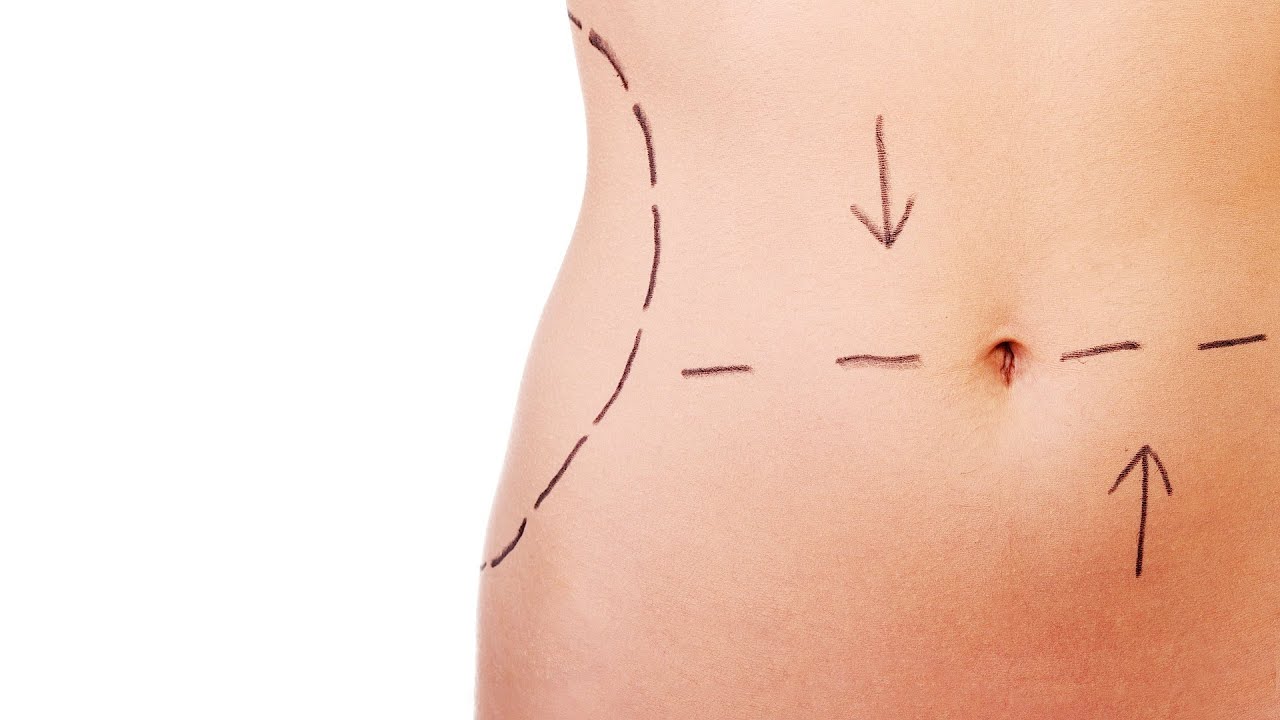
A tummy tuck, or abdominoplasty, is a transformative surgical procedure designed to remove excess abdominal skin and fat while tightening weakened muscles. While the outcomes are often rewarding, no surgery is without risks. If you’re considering or have recently undergone a Tummy Tuck in Islamabad, it is crucial to be informed about possible complications and how to handle them effectively for a smooth recovery.
Understanding Tummy Tuck Complications
While complications are not common when performed by an experienced and qualified surgeon, they can occur. These issues may be minor and temporary or, in rare cases, serious and require medical intervention.
Common Complications Include:
-
Infection
-
Seroma (fluid accumulation)
-
Hematoma (blood pooling)
-
Delayed wound healing
-
Scarring irregularities
-
Numbness or changes in sensation
-
Skin necrosis (tissue death)
-
Blood clots
Being prepared can make all the difference in identifying and responding to any of these complications quickly.
Recognizing Early Signs of Complications
1. Excessive Swelling or Redness
Mild swelling is normal, but if it increases suddenly or becomes red, hot, or painful, it may indicate infection or fluid retention.
2. Persistent Fever
A temperature above 101°F (38.3°C) accompanied by chills may suggest an internal infection.
3. Unusual Discharge or Odor
Yellow or green discharge from the incision site, especially with a foul odor, should be evaluated by your surgeon immediately.
4. Severe Pain
Some discomfort is normal post-op, but sharp, intense, or worsening pain can be a sign of internal complications.
5. Hard Lumps or Uneven Skin
Lumps may form due to fluid buildup (seroma) or hematomas. These usually require drainage.
Steps to Handle Post-Tummy Tuck Complications
1. Follow Post-Operative Instructions Strictly
Your surgeon will provide comprehensive aftercare guidelines, including wound care, activity limitations, and medication schedules. Adherence significantly reduces risk.
2. Maintain Regular Follow-Up Visits
These appointments allow your surgeon to monitor healing progress and detect early signs of complications.
3. Use Compression Garments Properly
Compression garments minimize swelling and help the skin conform to new contours. Not wearing them correctly can result in poor healing or fluid retention.
4. Manage Surgical Drains
If surgical drains are placed, ensure they are cleaned and emptied as instructed. Improper care can lead to infection or seroma formation.
5. Keep the Incision Area Clean and Dry
Use antiseptic solutions and sterile dressings. Avoid moisture, which can encourage bacterial growth.
When to Seek Medical Attention
Immediate medical care is essential if you notice:
-
Intense or worsening pain
-
Deep vein thrombosis symptoms (leg swelling, pain, or warmth)
-
Sudden shortness of breath (possible pulmonary embolism)
-
Signs of skin necrosis, like black or discolored patches
-
Profuse bleeding from the incision
Managing Specific Complications
Infection
Treatment: Oral or intravenous antibiotics, wound cleaning, possible drainage.
Prevention: Good hygiene, prompt dressing changes, avoiding unclean environments.
Seroma
Treatment: Surgeon may aspirate the fluid with a syringe or insert a drain.
Prevention: Use of compression garments and avoiding early strenuous activity.
Hematoma
Treatment: Sometimes reoperation is needed to remove clotted blood.
Prevention: Avoid medications like aspirin and inform your doctor of any bleeding disorders.
Poor Wound Healing
Treatment: Wound care, debridement (removal of dead tissue), possible revision surgery.
Prevention: Avoid smoking, ensure proper nutrition, and limit physical stress on the area.
Scarring
Treatment: Silicone gel sheets, steroid injections, or laser treatments for scar revision.
Prevention: Avoid sun exposure and keep the scar moisturized and protected.
Tips for a Safe Recovery Experience
1. Stay Hydrated and Eat Nutritiously
Proper hydration and a diet rich in protein, vitamins A and C, and zinc promote tissue repair.
2. Avoid Smoking and Alcohol
Smoking impairs oxygen supply to healing tissues and increases the risk of necrosis. Alcohol can interfere with medications and dehydration.
3. Rest But Keep Moving
Avoid intense exercise, but do light walking to prevent blood clots and stimulate circulation.
4. Sleep in the Correct Position
Keep your torso slightly elevated and avoid sleeping flat on your back for the first 1–2 weeks.
5. Use Medications Responsibly
Take antibiotics, painkillers, and anti-inflammatory medications exactly as prescribed.
Choosing the Right Surgeon in Islamabad
Complication rates are significantly lower when you select an experienced, board-certified cosmetic surgeon.
Look for:
-
Verified credentials and licenses
-
A strong portfolio of before-and-after cases
-
Positive patient testimonials
-
Availability for post-surgical support
-
Clean, certified surgical facility
Emotional and Psychological Support
Facing post-surgical complications can be emotionally distressing. Support is vital.
How to Cope:
-
Join patient support groups or forums
-
Speak to a counselor if anxiety or depression arises
-
Talk openly with your surgeon about fears or questions
-
Focus on long-term results rather than short-term discomfort
Real Patient Experiences in Islamabad
Patients who experienced complications and managed them effectively often say:
-
“I was scared of the swelling, but my surgeon guided me every step.”
-
“The seroma was uncomfortable, but the drainage procedure was quick and painless.”
-
“It took longer than expected to heal, but the final results were worth it.”
Understanding that you are not alone helps in staying mentally strong throughout recovery.
How Clinics in Islamabad Handle Complications
Reputable clinics in Islamabad take the following steps to ensure safe recoveries:
-
Pre-surgery assessments to minimize risks
-
On-call post-op support staff
-
Emergency care systems
-
Transparent policies for revision procedures if needed
-
Emphasis on patient education and documentation
Preventing Long-Term Issues
By managing early signs of complications, you can prevent long-term concerns such as:
-
Irregular skin texture
-
Permanent scarring
-
Muscle laxity recurrence
-
Surgical revisions
Long-term complications are avoidable with proactive care and open communication with your surgical team.
Conclusion
A tummy tuck can dramatically improve body confidence and abdominal contours, but it’s essential to prepare for the full surgical journey, including the potential for complications. Whether you’re considering a Tummy Tuck in Islamabad or recovering from one, knowing how to recognize, prevent, and handle issues ensures safer healing and better outcomes. The key is to stay informed, communicate with your care provider, and take an active role in your recovery.


