


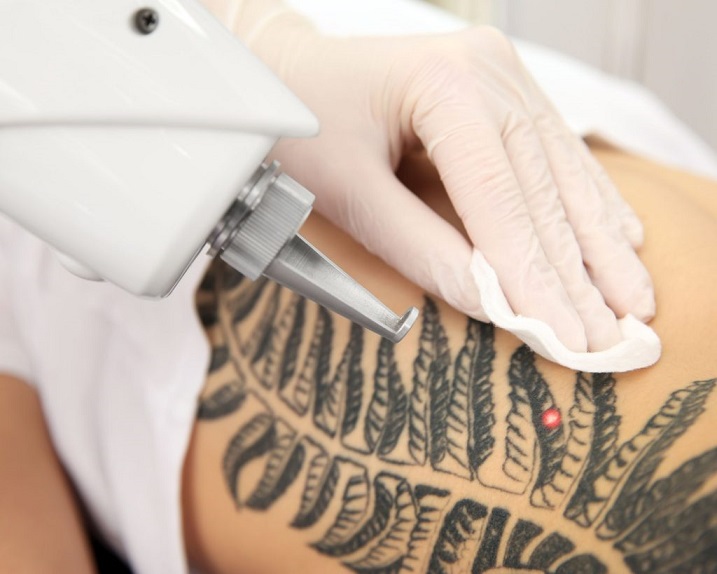
Laser tattoo removal is a popular method used to eliminate unwanted tattoos by breaking down the ink particles using concentrated light energy. The laser targets the pigment in the ink, causing it to fragment into smaller particles that are then absorbed and flushed out by the body’s immune system over time. While the process is effective for many people, its success often depends on several factors, including the tattoo’s age, depth, and color. Not all ink colors respond the same way to laser treatment, which is why colored tattoos can pose unique challenges.
Why Colored Ink Is More Complex:
The challenge with colored ink lies in the properties of the pigments themselves. Each pigment has a different chemical composition and absorbs light differently, which means Laser Tattoo Removal in Dubai (إزالة الوشم بالليزر في دبي) must be adjusted to target specific colors. Darker inks like black or dark blue are easier to remove because they absorb all wavelengths of laser light. In contrast, lighter colors such as yellow, green, turquoise, and fluorescent shades reflect more light and absorb less, making them more resistant to laser treatment. Additionally, some colors may require specific wavelengths that not all laser systems can deliver effectively.
Which Colors Are the Most Difficult to Remove?
Among all the ink colors, yellow, turquoise, and fluorescent shades are considered the most difficult to remove. Yellow reflects a large portion of the laser light, reducing its ability to absorb enough energy to break down. White ink can sometimes turn dark or become more visible after initial treatments. Green ink also presents challenges but has become more manageable with advances in laser technology. In contrast, black and dark blue inks are the easiest to remove because of their high light absorption rates.
Factors Influencing Colored Ink Removal:
Several factors influence how well colored tattoos respond to laser treatment:
Ink Depth: Professionally done tattoos often embed ink deeper in the skin, which may require more sessions to remove.
Ink Quality: Some pigments, especially those used in cosmetic or artistic tattoos, contain metallic compounds or unknown ingredients that react unpredictably to laser energy.
Tattoo Age: Older tattoos tend to fade over time and are often easier to treat.
Skin Tone: The laser must be adjust carefully to avoid affecting surrounding skin, especially in individuals with darker skin tones.
Immune Response: The body’s ability to flush out fragment ink plays a significant role in the fading process.
Number of Sessions for Colored Ink:
Since colored tattoos are more resistant to treatment, they typically require more sessions compared to black ink tattoos. While black ink may start to fade noticeably after just a few sessions, colored ink often demands a longer timeline and more consistent treatment. Each session needs to be space out by several weeks to allow the skin to heal and the body to process the fragmented ink. Patience is key, as results are gradual and cumulative over multiple visits.
Modern Advancements in Technology:
In recent years, pico-second lasers have emerged as a game-changer in tattoo removal. These lasers deliver energy at a much faster rate than traditional Q-switched lasers, allowing for better ink shattering with less heat. Pico lasers are especially effective for treating stubborn colors like green and blue, and they may also reduce the risk of scarring or skin texture changes. As laser technology continues to advance, the success rate of removing colorful tattoos has improved significantly, giving individuals more confidence in achieving complete or near-complete clearance.
Managing Expectations and Aftercare:
Removing colored tattoos is not always a straightforward process, and managing expectations is crucial. Complete removal of all colors may not be possible for every individual, especially when dealing with difficult pigments. However, substantial fading is achievable with the right approach. After each session, proper aftercare—such as avoiding sun exposure, keeping the area clean, and following healing guidelines—is essential for optimal outcomes and preventing complications. Realistic goals, combined with consistent care, can lead to satisfying results over time.
Conclusion:
Laser Tattoo Removal in Dubai (إزالة الوشم بالليزر) can effectively address colored ink, but results vary depending on the type and color of ink, skin tone, and laser technology used. While certain shades are more stubborn, advancements in laser systems have significantly improved the chances of successful treatment. Color tattoos may take more time and effort to remove than black ink, but with the right approach and patience, dramatic improvements can be achieve.


