


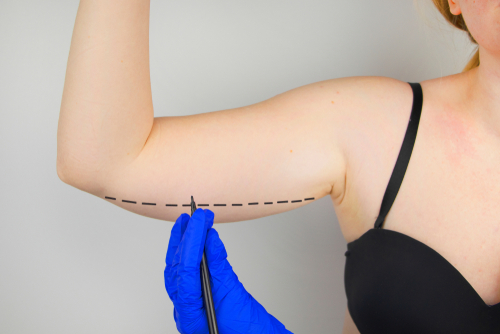
In the ever-evolving world of cosmetic enhancement, arm contouring has emerged as a prominent solution for individuals struggling with loose or sagging upper arm skin. Often a result of weight loss, aging, or genetic predisposition, excess arm skin can affect one’s appearance and self-confidence. One highly effective surgical intervention to address this concern is the Brachioplasty Procedure, a targeted approach that tightens and reshapes the upper arms. This article provides a comprehensive explanation of the procedure, including who needs it and why it may be the right choice.
Understanding Brachioplasty: What It Is
Brachioplasty, commonly known as an arm lift, is a cosmetic surgical procedure that removes excess skin and fat from the upper arms. The goal is to create a more toned and proportionate contour by addressing skin laxity that cannot be corrected through exercise or non-surgical treatments.
The procedure typically involves making incisions along the inner or back part of the arms, removing redundant tissue, and tightening the remaining skin. For patients with excess fat but minimal skin laxity, liposuction may be used in conjunction with or instead of a full arm lift.
Why Consider Brachioplasty?
There are many physical and psychological reasons why individuals may choose this surgery:
-
Excess Skin Post-Weight Loss: Rapid or significant weight loss can leave behind stretched, hanging skin that exercise alone cannot resolve.
-
Age-Related Sagging: As skin loses elasticity with age, the upper arms often show visible drooping.
-
Genetics: Some individuals naturally store more fat in the arms or have poor skin tone in that area.
-
Confidence and Appearance: Many individuals feel self-conscious wearing short sleeves or fitted clothing due to the appearance of their arms.
The brachioplasty procedure offers not only physical improvement but also emotional benefits, helping individuals feel more comfortable and confident in their skin.
Who Is an Ideal Candidate?
Not everyone is a suitable candidate for this procedure. The ideal candidates generally include:
-
Adults with significant upper arm skin laxity
-
Individuals at a stable weight
-
Non-smokers or those willing to quit temporarily before and after surgery
-
Patients in good general health, without serious medical conditions that could impair healing
-
People with realistic expectations about surgical results
Patients considering the surgery should be committed to a healthy lifestyle, including proper diet and exercise, to maintain long-term results.
Consultation and Evaluation
A thorough consultation with a board-certified plastic surgeon is the first step. During this session, the surgeon will:
-
Review the patient’s medical history
-
Assess the condition of the skin and fat in the arms
-
Discuss expectations, goals, and concerns
-
Recommend a personalized treatment plan
The patient may also be advised on whether brachioplasty should be combined with other procedures such as liposuction or a body lift for more comprehensive results.
Types of Brachioplasty
Different techniques may be used depending on the severity of the sagging skin:
1. Mini Brachioplasty
Recommended for patients with minor sagging near the upper inner arms. Involves smaller incisions and minimal tissue removal.
2. Standard Brachioplasty
Involves a longer incision from the elbow to the armpit to remove a substantial amount of skin and fat. Ideal for moderate to severe skin laxity.
3. Extended Brachioplasty
Used for patients with extreme skin redundancy extending from the arms to the lateral chest wall. The incision continues along the body’s side for extended contouring.
The choice of method is based on the patient’s anatomy, desired results, and the surgeon’s recommendations.
The Surgical Process
Brachioplasty is typically performed under general anesthesia and takes about 2 to 3 hours. Here’s a breakdown of the procedure:
-
Anesthesia Administration: Ensures comfort and pain-free experience.
-
Incision Placement: Strategically made to minimize visible scarring.
-
Fat and Skin Removal: Excess fat is removed (sometimes with liposuction), and loose skin is trimmed.
-
Tissue Tightening: Remaining skin is pulled taut for a smoother contour.
-
Sutures and Bandaging: The area is stitched, dressed, and often wrapped in compression garments to reduce swelling and support healing.
Recovery and Aftercare
Post-operative care is essential to achieve the best results and minimize complications. Here’s what patients can expect:
-
Swelling and Bruising: Common in the first few days. Compression garments help manage these symptoms.
-
Pain Management: Pain is usually mild and controlled with prescribed medications.
-
Rest and Mobility: Patients should rest initially but gradually resume light movement to prevent stiffness.
-
Wound Care: Keeping incisions clean and dry is crucial to avoid infection.
-
Follow-up Appointments: Regular check-ins with the surgeon to monitor healing.
Most patients return to normal activities within two weeks, but strenuous tasks should be avoided for 4-6 weeks. Full results are typically visible within three to six months.
Benefits of Brachioplasty
The procedure offers a host of advantages for individuals seeking arm contouring:
-
Tight, Toned Arms: Removes sagging skin for a more youthful, athletic appearance.
-
Improved Clothing Fit: Enables individuals to wear sleeveless and fitted clothes with confidence.
-
Boosted Self-Esteem: Enhances overall body image and personal satisfaction.
-
Long-Lasting Results: With stable weight and healthy living, results can be permanent.
These outcomes make brachioplasty a rewarding choice for suitable candidates.
Risks and Considerations
Though generally safe, brachioplasty—like all surgeries—carries certain risks:
-
Scarring, which may be visible though often fades over time
-
Infection or delayed healing
-
Numbness or changes in skin sensation
-
Asymmetry or dissatisfaction with cosmetic results
-
Complications from anesthesia
Selecting an experienced surgeon and following all post-operative instructions can significantly reduce these risks.
Scar Management and Aesthetic Concerns
Scarring is an inevitable part of any skin-removal surgery, but it can be managed effectively:
-
Proper Wound Care: Helps incisions heal with minimal complications.
-
Topical Treatments: Silicone-based gels and sheets aid scar fading.
-
Sun Protection: Prevents scars from darkening or becoming more visible.
-
Laser Therapy: May be recommended for more pronounced scarring.
Surgeons often place incisions on the inside of the arm to ensure they are discreet and not easily noticeable in day-to-day settings.
Alternatives to Brachioplasty
While brachioplasty provides the most dramatic results, some non-surgical options are available for individuals with mild skin laxity:
-
Radiofrequency Skin Tightening
-
Ultrasound Therapy
-
Cryolipolysis (Fat Freezing)
These methods may improve skin firmness temporarily but are not substitutes for surgery when dealing with significant sagging.
The Role of Lifestyle in Maintaining Results
Long-term success of brachioplasty heavily depends on the patient’s lifestyle:
-
Exercise Regularly: Especially strength training to maintain muscle tone.
-
Eat a Balanced Diet: Prevents weight gain that can stretch skin again.
-
Avoid Smoking: Promotes skin health and prolongs results.
-
Stay Hydrated: Supports skin elasticity and overall well-being.
Commitment to these practices ensures the investment in surgery is protected and continues to deliver satisfaction.
Choosing a Trusted Clinic
One of the most important decisions is selecting a reliable clinic and surgeon. Patients are encouraged to seek care from qualified professionals with a proven track record in body contouring. Among the reputable names, Dynamic Aesthetic Clinic Islamabad stands out for its commitment to excellence, safety, and personalized care. Their skilled team provides thorough consultations and tailored treatment plans, ensuring patient satisfaction from the first appointment to final results.
Conclusion
The brachioplasty procedure is an effective and transformative solution for those struggling with loose, sagging upper arm skin. Whether due to aging, weight loss, or genetics, this condition can be corrected through a well-planned surgical approach. With proper candidate selection, surgical expertise, and dedicated post-operative care, individuals can enjoy lasting improvements in both appearance and self-confidence.
For anyone considering upper arm reshaping, understanding the procedure, knowing what to expect, and working with a trusted surgical team are critical steps. Brachioplasty continues to gain popularity for a reason—it delivers results that truly redefine confidence and quality of life.


