


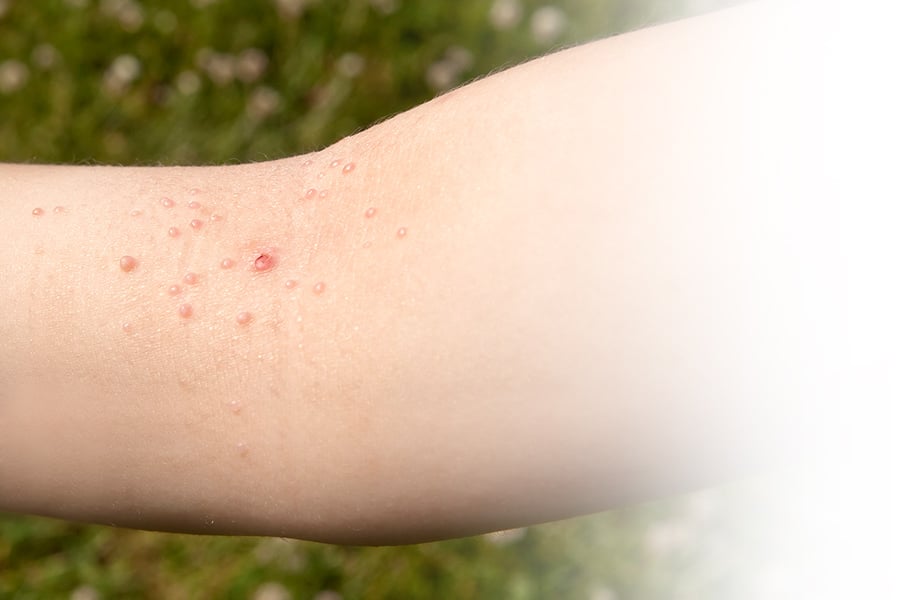
After undergoing Warts Removal Surgery in Dubai, it’s important to have a clear idea of what to expect during the recovery process. Most patients experience mild discomfort, redness, or swelling around the treated area, which typically subsides within a few days. Depending on the method used—laser, excision, cryotherapy, or electrosurgery—healing times may vary. Generally, complete recovery can take anywhere from one to three weeks. Knowing this timeline helps set realistic expectations and allows you to plan accordingly, especially when resuming normal activities.
Maintain Proper Wound Hygiene:
Warts Removal Surgery (ما هو أفضل علاج لإزالة الثآليل؟), One of the most crucial aspects of recovery is keeping the surgical site clean and dry. Immediately following the procedure, the area is often covered with a sterile bandage to protect it from infection. You should avoid touching the wound with unwashed hands. When cleaning the area, use mild soap and lukewarm water, then gently pat dry with a clean towel. Avoid scrubbing, as it may cause irritation or disrupt the healing process. Always replace dressings as advised, typically once or twice a day.
Avoid Picking or Scratching the Area:
As the wound heals, it may begin to itch or form a scab. While this is a normal part of the healing process, it’s essential not to scratch, pick, or peel the scab. Doing so can lead to bleeding, infection, delayed healing, and even scarring. To reduce itching, consider applying a cool compress or using an over-the-counter soothing cream that is safe for healing wounds. If the itching becomes unbearable or you notice signs of infection like pus or increased redness, seek medical attention promptly.
Limit Physical Activity and Sun Exposure:
Rest is key to a smooth recovery. It’s recommended to limit strenuous physical activities that might stretch, pull, or irritate the treated area, especially if it’s located in a high-movement region such as the hands, feet, or face. Moreover, direct sunlight can interfere with healing and increase the risk of pigmentation or scarring. If you must go outdoors, cover the area with clothing or use a gentle, non-irritating sunscreen (SPF 30 or higher) once the skin has closed. Staying indoors or in the shade is preferable in the early stages of recovery.
Stay Hydrated and Eat Nutrient-Rich Foods:
Proper nutrition plays a significant role in the body’s healing capabilities. Drinking plenty of water helps flush toxins and supports skin regeneration. Incorporate foods rich in vitamins A, C, and E, as well as zinc and protein, into your diet. These nutrients aid in tissue repair and immune support. Consider including leafy greens, citrus fruits, nuts, seeds, eggs, and lean meats. Avoiding processed foods and excessive sugar also supports optimal healing and reduces inflammation.
Follow All Aftercare Instructions Diligently:
Each wart removal method may come with specific post-operative guidelines. Whether you received cryotherapy or surgical excision, following the aftercare instructions provided during your visit is essential. This may include when to remove bandages, how to clean the site, and signs of complications to watch for. Missing out on these instructions can prolong recovery and increase the risk of recurrence or scarring. If anything seems unclear, don’t hesitate to reach out for clarification.
Watch for Warning Signs of Complications:
Although complications after wart removal surgery are rare, it’s important to be vigilant. Signs that warrant medical attention include increased redness or warmth, pus discharge, persistent pain, swelling, or fever. These symptoms could indicate an infection or an allergic reaction. Additionally, if the wart appears to return or new lesions emerge nearby, follow up to determine whether further treatment is necessary. Early intervention helps prevent more extensive procedures down the line.
Be Patient and Consistent with Skin Care:
The skin takes time to regenerate fully after wart removal, and some discoloration or sensitivity may linger for weeks. Continue caring for your skin gently even after the wound appears to have healed. Use a hypoallergenic moisturizer to keep the area hydrated and minimize scar formation. Refrain from using exfoliants or harsh skincare products until the skin is completely healed. With consistent and mindful care, you can ensure the best cosmetic outcome and reduce the likelihood of recurrence.
Conclusion:
Recovering from Warts Removal Surgery (علاج الثألول) is a process that requires attention, patience, and care. While the procedure itself is often quick and straightforward, the post-surgical period plays a vital role in ensuring successful outcomes. By keeping the treated area clean, avoiding irritation, following aftercare instructions, and supporting your body with proper nutrition and rest, you significantly enhance the healing process. Remember, every small step—whether it’s resisting the urge to scratch or staying out of the sun—contributes to a smoother recovery and healthier skin. With the right approach, you can return to your normal routine confidently, free from warts and their potential recurrence.


