


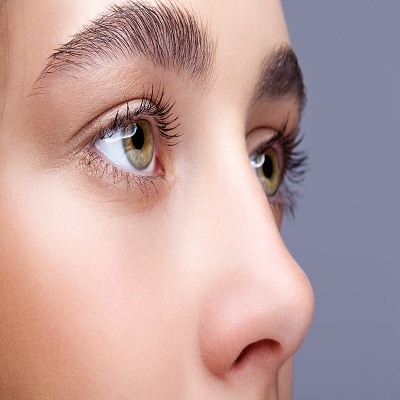
Rhinoplasty is a refined surgical technique designed to reshape or reconstruct the nose for either aesthetic enhancement or functional improvement. With the rising popularity of cosmetic surgery in Pakistan, more individuals in the capital city are seeking advanced solutions for nasal irregularities. Various types of Rhinoplasty in Islamabad are now offered to suit diverse medical and cosmetic needs. This blog explores the major types of rhinoplasty procedures available in the city, detailing their specific goals, candidates, and benefits.
1. Open Rhinoplasty
Open rhinoplasty is one of the most commonly performed nose surgeries, especially in cases where extensive reshaping is required. It involves making a small incision on the columella—the tissue between the nostrils—to allow full visibility of the nasal structure. The skin is then lifted off the cartilage and bone, giving the surgeon precise control.
This approach is ideal for:
-
Patients needing significant structural changes
-
Revision rhinoplasty candidates
-
Those requiring tip refinement
Open rhinoplasty offers more accuracy in correcting asymmetry and deformities. However, it typically involves a longer healing period compared to closed techniques.
2. Closed Rhinoplasty
Closed rhinoplasty, also known as endonasal rhinoplasty, involves making all incisions inside the nostrils. This technique is less invasive and results in no visible scarring, making it a preferred option for individuals needing mild to moderate adjustments.
It is suitable for:
-
Minor dorsal hump reduction
-
Subtle bridge refinements
-
Patients seeking shorter recovery times
Because the internal structure is not as exposed, closed rhinoplasty offers limited visibility and maneuverability, but it remains effective for well-defined aesthetic goals.
3. Revision (Secondary) Rhinoplasty
Revision rhinoplasty is performed to correct issues arising from a previous rhinoplasty procedure. Patients may experience dissatisfaction due to poor aesthetic outcomes, breathing difficulties, or complications such as collapsed nasal structures.
Key aspects of revision rhinoplasty:
-
Greater complexity due to scar tissue
-
May require cartilage grafting (from ear, rib, or septum)
-
High level of surgical expertise required
This procedure is one of the most challenging types and is typically undertaken by experienced facial plastic surgeons who specialize in secondary corrections.
4. Functional Rhinoplasty
Unlike aesthetic rhinoplasty, functional rhinoplasty focuses on improving nasal airflow and correcting structural problems that impede breathing. It is often recommended for patients with:
-
Deviated septum (septoplasty combined with rhinoplasty)
-
Nasal valve collapse
-
Enlarged turbinates
This type of surgery not only addresses breathing concerns but may also involve aesthetic adjustments. Patients often seek functional rhinoplasty after experiencing long-term sinus or airway issues that have not responded to medical treatment.
5. Cosmetic Rhinoplasty
Cosmetic rhinoplasty is purely focused on enhancing the shape, size, and symmetry of the nose. It is a customized procedure based on the individual’s facial features and personal preferences. Common cosmetic concerns include:
-
Dorsal hump removal
-
Nasal tip refinement
-
Narrowing wide nostrils
-
Adjusting overall nose proportion
Cosmetic rhinoplasty is ideal for patients who are physically healthy and have realistic expectations about surgical outcomes.
6. Non-Surgical Rhinoplasty
Non-surgical rhinoplasty, also known as liquid rhinoplasty, involves the use of dermal fillers to temporarily alter the nose’s shape. It is a minimally invasive option suitable for:
-
Minor asymmetries
-
Smoothing out bumps
-
Lifting the nasal tip slightly
This procedure is ideal for patients who are not ready for surgery or need a temporary solution. Results usually last 6 to 12 months, depending on the type of filler used. It’s important to note that non-surgical rhinoplasty cannot reduce nose size or address breathing issues.
7. Ethnic Rhinoplasty
Ethnic rhinoplasty is tailored to maintain or enhance nasal aesthetics while preserving the unique ethnic features of the patient. Individuals from diverse backgrounds often have different nasal anatomies that require special attention. This type of rhinoplasty is commonly performed among:
-
Middle Eastern patients
-
South Asian individuals
-
African or East Asian patients
The goal is to harmonize the nose with the rest of the facial features while maintaining cultural identity. Ethnic rhinoplasty requires a comprehensive understanding of anatomical variations and aesthetic preferences.
8. Tip Rhinoplasty
Tip rhinoplasty focuses solely on reshaping the nasal tip without altering the bone or bridge of the nose. It is performed under local or general anesthesia and typically has a shorter recovery time. This procedure is appropriate for:
-
Bulbous or round nasal tips
-
Drooping tip correction
-
Asymmetrical tip realignment
Since the upper nasal structure remains untouched, tip rhinoplasty is considered less invasive but still highly effective in enhancing overall nasal aesthetics.
9. Septorhinoplasty
Septorhinoplasty is a combination of functional and cosmetic procedures. It addresses both the external appearance of the nose and internal structural problems, particularly a deviated septum. This dual-purpose surgery can:
-
Improve nasal symmetry
-
Enhance airflow and breathing
-
Restore nasal balance after trauma
Patients often choose septorhinoplasty for its comprehensive benefits, especially when cosmetic correction and functional repair are both needed.
10. Adolescent Rhinoplasty
This type of rhinoplasty is designed for teenagers who suffer from nasal deformities or breathing problems. While cosmetic nose surgery is generally deferred until the nose has fully developed (usually around age 15-17), some functional procedures may be performed earlier in medically necessary cases.
Adolescent rhinoplasty demands careful consideration of emotional maturity, growth patterns, and parental consent. It is often done to address congenital deformities, sports injuries, or severe nasal obstructions.
Selecting the Right Type of Rhinoplasty
Choosing the appropriate rhinoplasty technique depends on several factors including the patient’s goals, nasal anatomy, and medical history. A thorough consultation with a board-certified plastic surgeon is essential to determine the most suitable procedure. Surgeons will conduct detailed facial assessments, imaging tests, and discuss expectations to ensure safe and satisfactory outcomes.
Each type of rhinoplasty requires a unique surgical approach, and the results are often long-lasting when performed by experienced professionals. It is crucial to consider both aesthetic desires and functional requirements before making a decision.
For those seeking expert consultation and advanced care, SKN Cosmetics clinic in Islamabad offers a full spectrum of rhinoplasty options tailored to individual needs, led by qualified professionals with years of experience in facial plastic surgery.


