


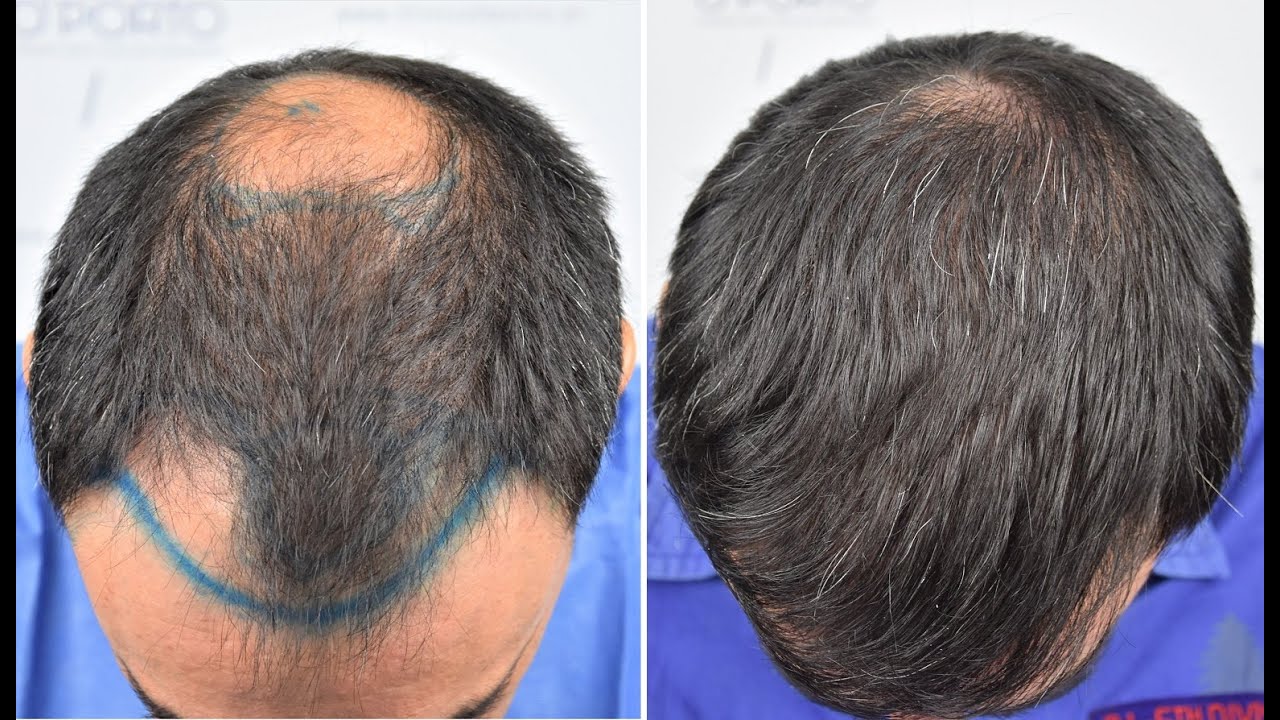
Hair loss is a common concern, especially when it affects the crown of the scalp—a spot where hair thinning is often most noticeable. Fortunately, modern cosmetic surgery offers reliable solutions. A Crown hair transplant in Islamabad is one such specialized procedure that helps restore natural-looking hair growth in the vertex area. If you’re planning for this treatment, understanding what to expect at every stage—from consultation to recovery—is crucial for a successful experience.
Understanding the Crown Transplant Procedure
The crown, also known as the vertex, is prone to hair loss due to genetics, aging, and hormonal factors. Unlike the hairline, the crown has a spiral pattern, making transplant procedures in this region technically more complex.
A crown transplant involves removing healthy hair follicles from a donor area (usually the back or sides of the scalp) and implanting them in the crown area using two primary techniques:
-
FUE (Follicular Unit Extraction): Individual hair grafts are extracted and implanted.
-
FUT (Follicular Unit Transplantation): A strip of skin with follicles is harvested and dissected into grafts.
Both methods aim to create a natural density and flow of hair matching the original growth pattern.
Pre-Procedure: Initial Consultation
Before the procedure, you’ll go through a detailed consultation where your surgeon will:
-
Evaluate your hair loss pattern and scalp condition
-
Discuss your expectations and medical history
-
Determine the number of grafts needed
-
Choose between FUE and FUT based on your case
-
Provide a cost estimate and outline the surgical plan
You’ll also receive a list of pre-surgical instructions, such as:
-
Avoiding blood thinners
-
Refraining from smoking or alcohol
-
Washing your scalp with prescribed shampoo
-
Getting blood tests if necessary
The Day of the Procedure
On the day of surgery, expect the following steps:
1. Preparation and Anesthesia
You’ll be given local anesthesia to numb both the donor and recipient areas. This ensures you remain awake but pain-free during the procedure.
2. Graft Harvesting
Depending on the technique:
-
FUE: Follicles are extracted individually using a micro punch tool.
-
FUT: A thin strip is removed from the donor area, and follicles are separated under a microscope.
3. Graft Implantation
Tiny incisions are made in the crown, following the natural hair whorl. The grafts are carefully inserted, ensuring correct angle and density.
4. Post-Surgery Dressing
Your scalp is cleaned, and a light dressing may be applied. You’ll also receive post-op medication and care instructions.
The entire process can take anywhere from 4 to 8 hours, depending on graft count and technique used.
Recovery Timeline: What Happens After Surgery?
Understanding recovery milestones is vital for proper care and expectation management:
First 3 Days:
-
Mild swelling and redness
-
Small scabs form at the graft site
-
Rest and avoid touching or washing the scalp
Day 4–7:
-
Scabs begin to fall off
-
Washing can be resumed with medicated shampoo
-
Itching or tightness may be experienced
Week 2–4:
-
Transplanted hair enters the shedding phase, which is completely normal
-
Underlying follicles remain intact
Month 2–4:
-
New hair starts to emerge
-
Growth is fine and light in texture
Month 6:
-
Noticeable hair growth
-
Increased volume and density
Month 9–12:
-
Final results become visible
-
Hair fully matures in thickness and texture
Post-Operative Care Instructions
To maximize your results:
-
Avoid direct sunlight on the scalp
-
Do not scratch or pick at scabs
-
Refrain from smoking or alcohol for a few weeks
-
Sleep with your head elevated
-
Avoid strenuous exercise for at least 10–14 days
-
Take prescribed medications as directed
Your surgeon may also recommend PRP therapy to boost healing and hair growth post-transplant.
Expected Results and Natural Appearance
The primary goal of a crown transplant is to achieve results that look and feel natural. Surgeons focus on:
-
Replicating the crown’s whorl pattern
-
Ensuring consistent graft survival
-
Matching the angle and density with surrounding hair
With proper technique and aftercare, the results can last a lifetime.
Common Concerns and Misconceptions
1. “Will it hurt?”
No. Local anesthesia ensures the process is painless, though minor discomfort may be felt post-surgery.
2. “Is crown hair transplant permanent?”
Yes. The transplanted follicles are resistant to hair loss and grow for a lifetime.
3. “What if the transplant fails?”
When performed by skilled professionals, failure rates are very low. Most issues arise from poor post-op care or low-quality clinics.
Crown vs. Frontal Hair Transplant: Which Is Harder?
Crown transplants are generally more intricate due to:
-
The natural spiral growth pattern
-
Greater surface area in some cases
-
The need for higher graft counts for desired density
That said, with the right technique and surgeon, both regions can be treated successfully.
Choosing the Right Clinic in Islamabad
When selecting a clinic, ensure it offers:
-
Board-certified hair transplant surgeons
-
Transparent pricing and graft breakdown
-
Clean, modern facilities
-
Real before-and-after case studies
-
Follow-up care and consultations
Islamabad hosts several reputable clinics offering international standards of treatment at competitive rates.
Cost Considerations
While cost varies, the price typically depends on:
-
Number of grafts needed
-
Technique used (FUE is usually pricier than FUT)
-
Clinic and surgeon reputation
-
Additional services like PRP, anesthesia, or post-op care
On average, you can expect to pay between PKR 100,000 to PKR 250,000 for a full crown transplant.
FAQs: Crown Hair Transplant in Islamabad
Q: How long before I see full results?
A: 9 to 12 months is the standard timeframe for final visible outcomes.
Q: Can I wear a hat after surgery?
A: Yes, but only after the first week, and only if it’s loose-fitting.
Q: Are multiple sessions needed?
A: Most patients require only one session, but a second may be needed for higher density.
Q: Is there an age limit?
A: Ideal candidates are generally over 25 years with stabilized hair loss.
Real Patient Experiences
“I was nervous about how natural it would look, especially because the crown has a swirl pattern. But after my crown hair transplant in Islamabad, I was amazed at the results. It looked just like my original hair.”
– Faisal A., Age 37
“Dynamic Clinic’s team was so professional. The whole process was smooth, and within months, my bald spot was gone. Worth every rupee!”
– Sana R., Age 42
Final Thoughts: Preparing for Success
A Crown hair transplant in Islamabad is a reliable, long-lasting solution for individuals experiencing hair thinning or baldness at the vertex of the scalp. With skilled professionals, advanced techniques like FUE and FUT, and a supportive post-op regimen, the procedure delivers high success rates and natural-looking outcomes.
Knowing what to expect—from consultation and procedure to recovery and results—helps you prepare mentally, physically, and financially. Always choose a certified clinic and follow the surgeon’s instructions diligently to enjoy the best possible transformation.


